
What Is Zionism?
Self-Determination, Sovereignty, Statehood & Security
Zionism is primarily a political and national movement seeking Jewish self-determination in the land of Israel, the Jewish people’s ancestral homeland. It also includes cultural, social, and religious traditions. Many supporters understand it as a movement for national liberation, connecting Jewish independence with protection from persecution. Self-determination means the freedom of individuals and communities to determine their future, pursue their priorities, and direct their own affairs without external coercion.
Politics, Culture, and Society
Its political goal was to establish a Jewish homeland with the ability to govern its own affairs. Its cultural and social projects included renewing Hebrew as an everyday language, developing education and literature, and building cooperative communities such as kibbutzim. Religious Zionists connected national renewal with Jewish faith, while secular Zionists approached it through other political and cultural ideals. Harvard’s Pluralism Project · ADL backgrounder
Historical Roots
Zionism drew upon longstanding Jewish historical, cultural, and religious connections to the land of Israel.
Antisemitism in Nineteenth-Century Europe
Jewish life differed sharply across Europe. Expanded civil rights in much of the west and center did not end prejudice; political movements increasingly promoted anti-Jewish hostility and racial pseudoscience. In parts of Eastern Europe, restrictive laws and recurring pogroms threatened Jewish livelihoods and security. United States Holocaust Memorial Museum · The Wiener Holocaust Library
These pressures contributed to modern political Zionism, whose advocates sought greater Jewish security through national self-determination. Historical background: History Today
The Movement Takes Shape
Theodor Herzl helped organize the movement, which came to include Labor, Revisionist, cultural, and religious traditions. These traditions offered different visions of Jewish national life, and some thinkers explored binational arrangements involving Jews and Arabs.
Historical Figures & Founding Thinkers
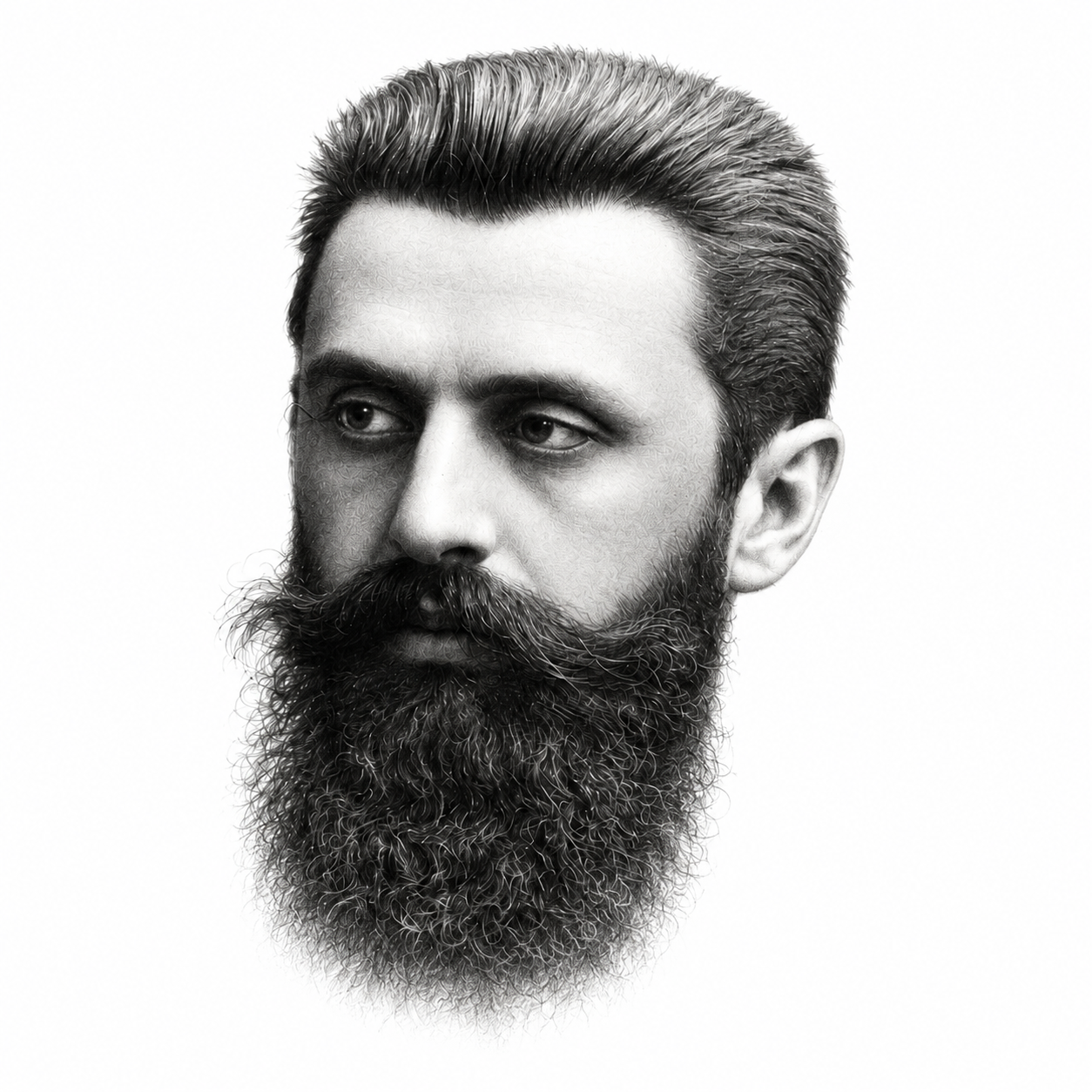
Theodor Herzl
A central organizer of modern political Zionism, author of Der Judenstaat (1896), and convener of the First Zionist Congress in 1897.
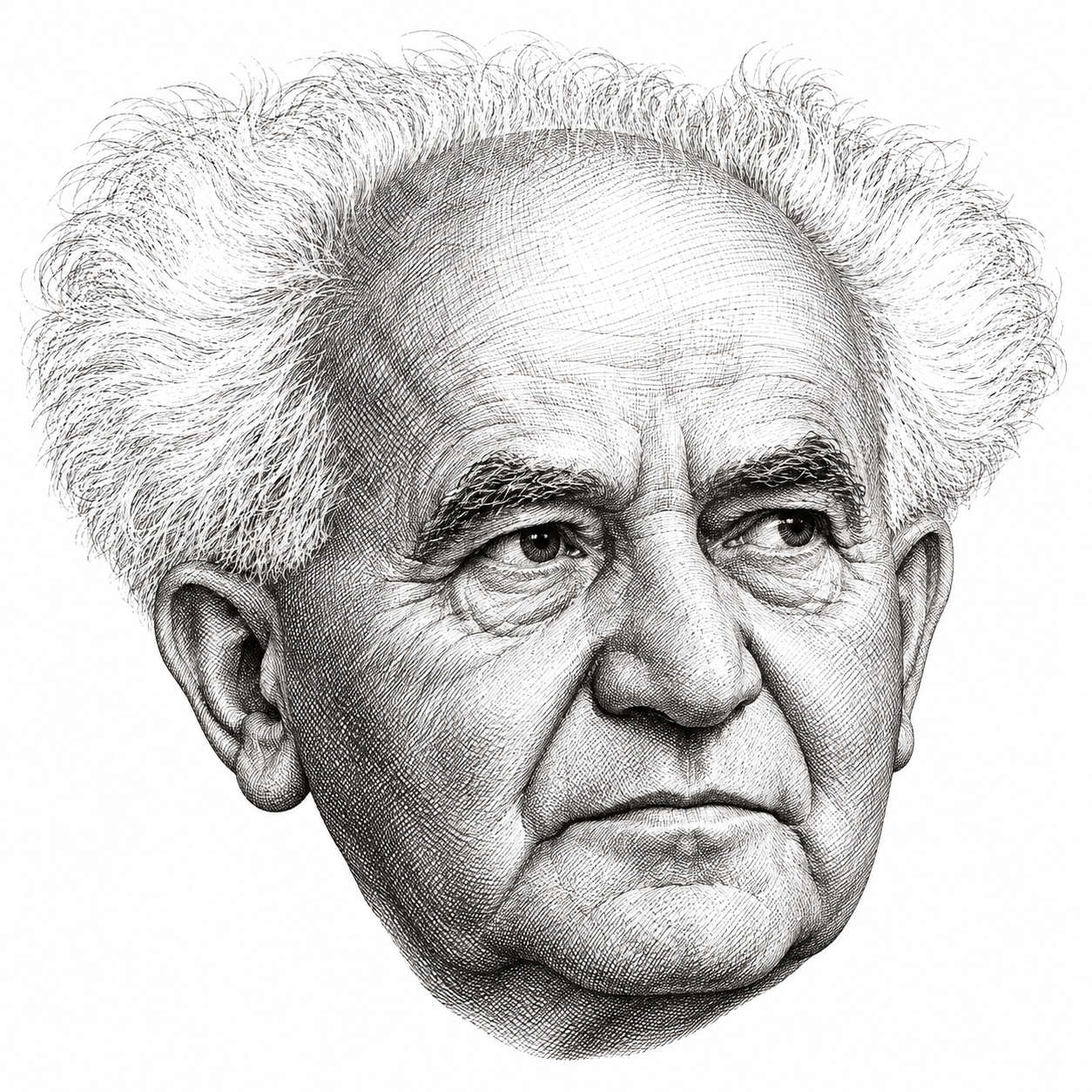
David Ben-Gurion
A leading Labor Zionist and Israel’s first prime minister, who proclaimed the state’s establishment in 1948.
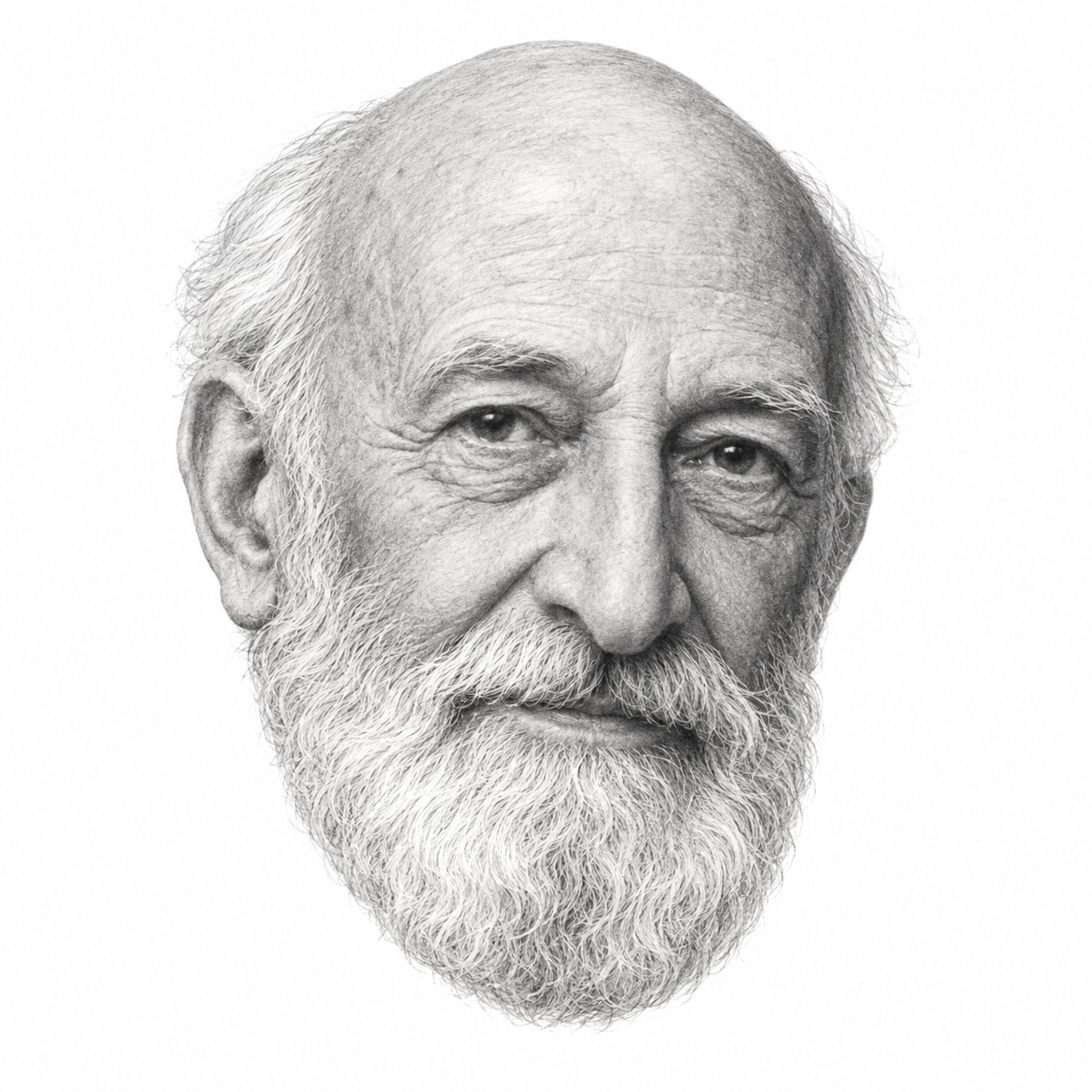
Chaim Weizmann
A chemist and Zionist diplomat who helped secure British support for the Balfour Declaration and became Israel’s first president.
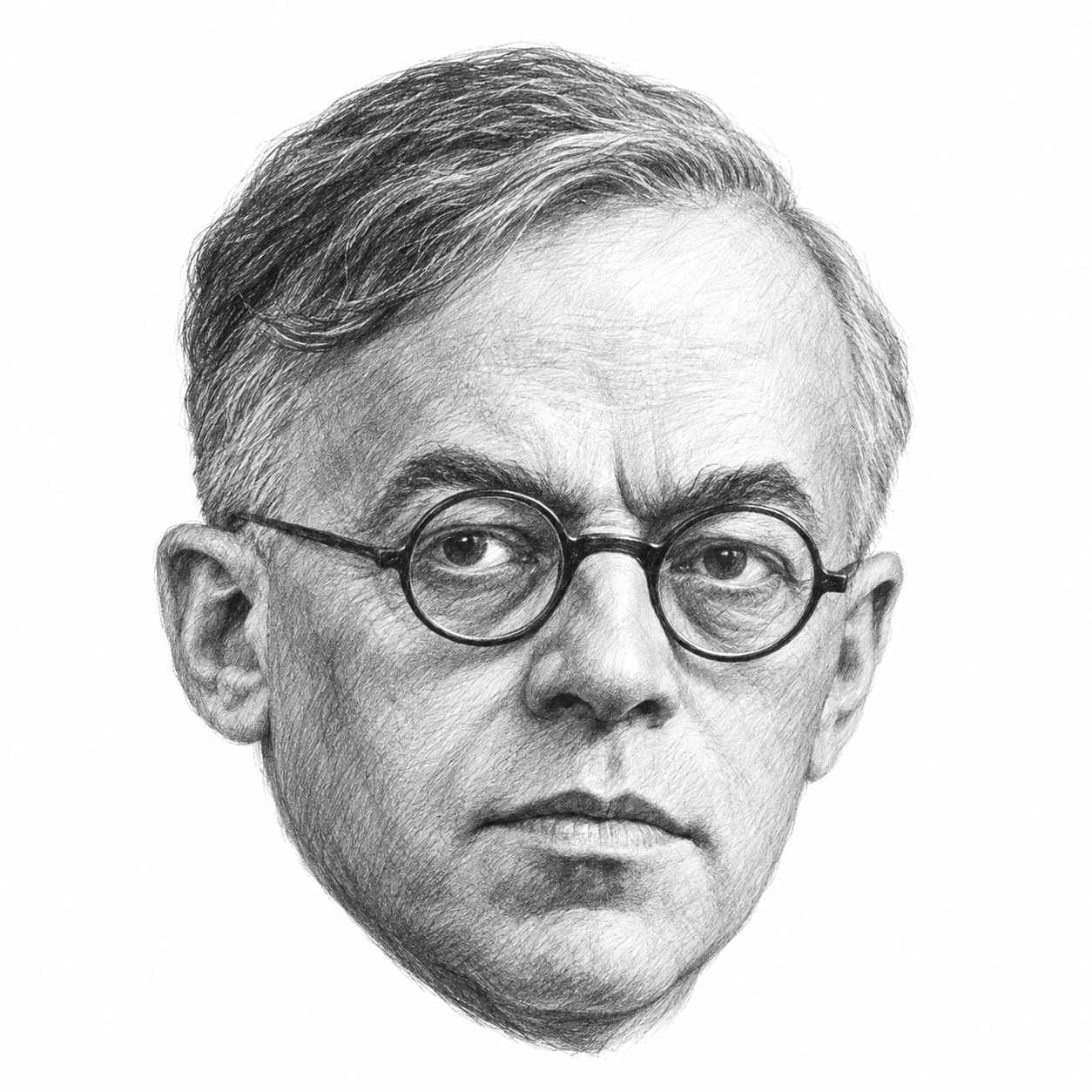
Ze’ev Jabotinsky
Founder of Revisionist Zionism, emphasizing Jewish self-defense, immigration, and a more assertive nationalist approach to statehood.
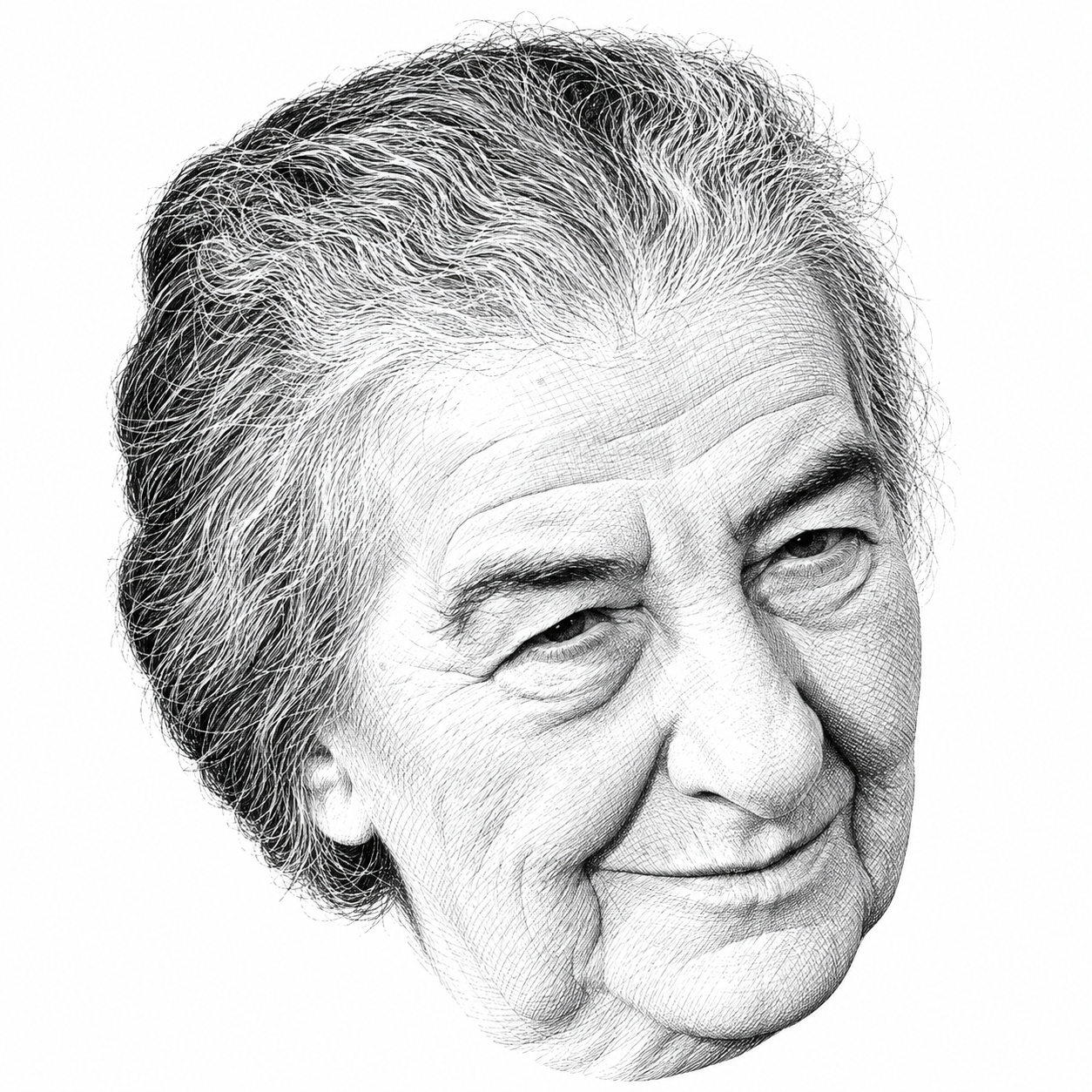
Golda Meir
A Labor Zionist organizer, fundraiser, and diplomat who became Israel’s fourth prime minister.
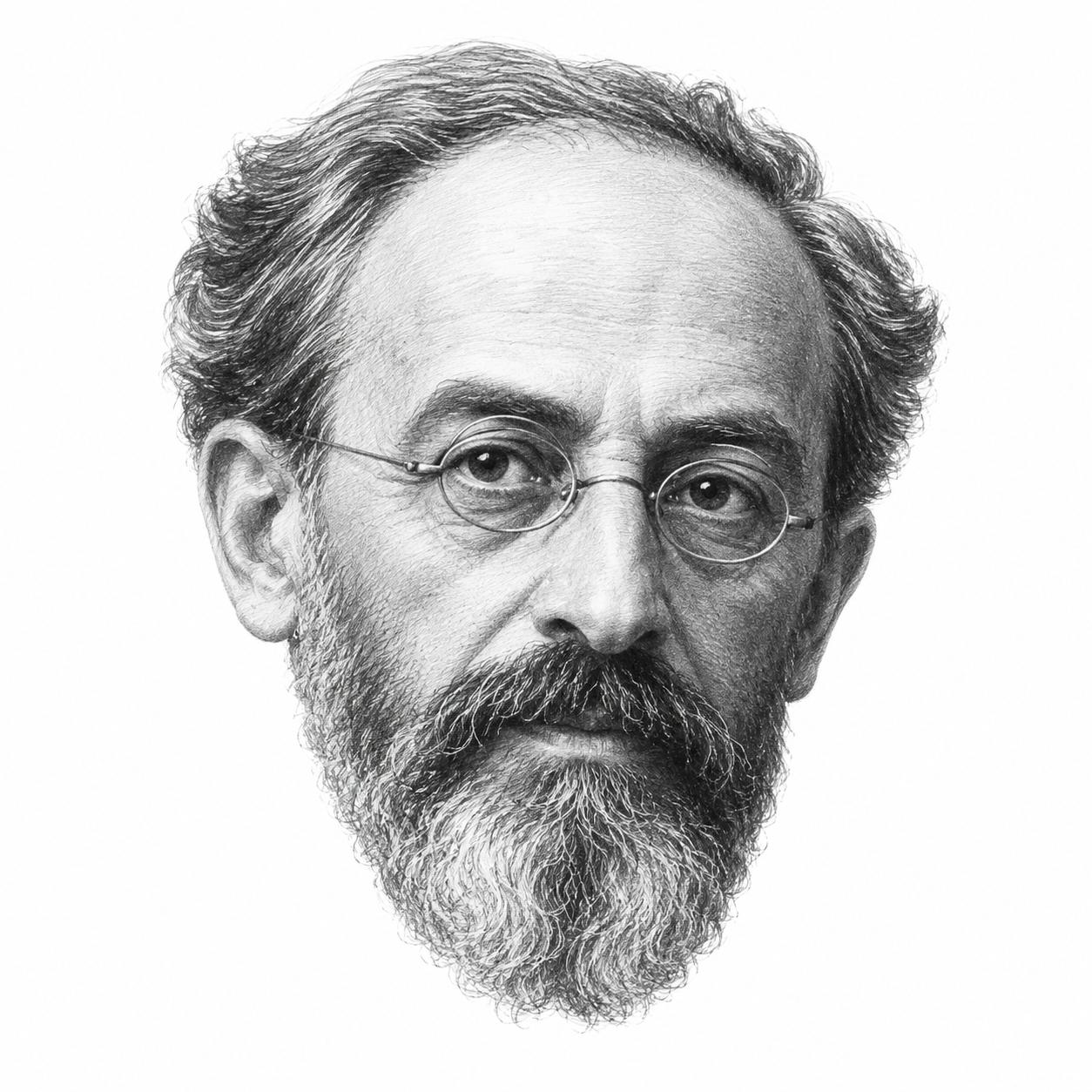
Ahad Ha’am (Asher Ginzberg)
A leading thinker of cultural Zionism, advocating a Hebrew spiritual and cultural center that would strengthen Jewish life worldwide.
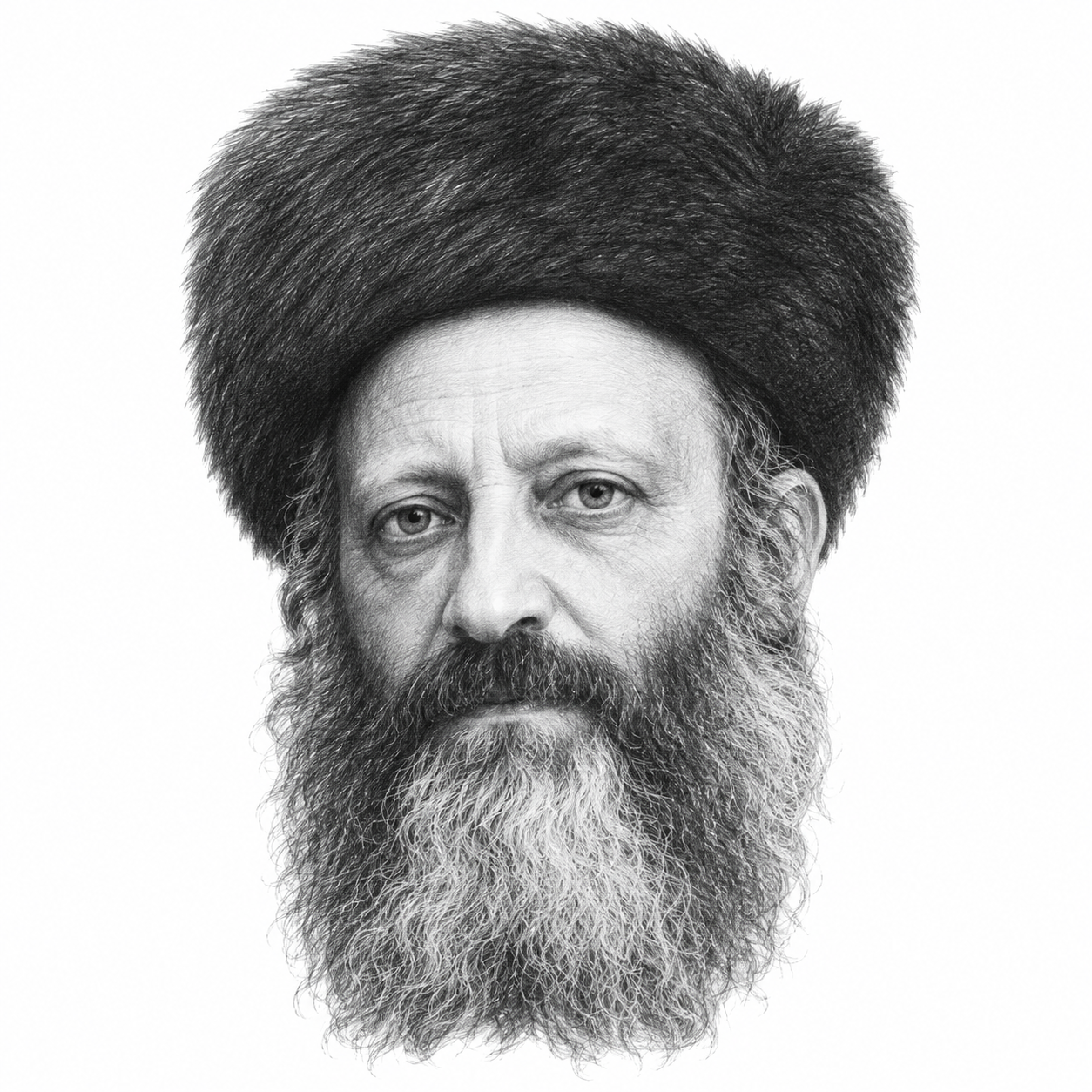
Rabbi Abraham Isaac Kook
An influential religious Zionist thinker who connected Jewish national renewal with a religious vision.
AI-assisted portrait illustrations. Golda Meir illustration adapted from Marion S. Trikosko / Library of Congress, public domain. Image source. Further reading: Origins and Evolution of Zionism.
After Israel’s Establishment
Following Israel’s establishment in 1948, much Zionist activity centered on supporting the country’s security, development, and Jewish immigration.
1948: Independence, War & Displacement
For Jews, Israel’s establishment represented national independence and the promise of greater security after generations of persecution. For Palestinians, the same period brought widespread displacement and the loss of homes and communities, remembered as the Nakba, or catastrophe.
Why Palestinians Became Refugees
Approximately 700,000 Palestinians fled or were expelled during the 1947–1949 conflict. The circumstances varied: military attacks, fear of approaching fighting, direct expulsions, and the breakdown of local society contributed to departures. Some local evacuations involved Arab instructions, but a general order from Arab leaders does not adequately explain the overall exodus.
What Historians Debate
Research using Israeli archives challenged earlier accounts that emphasized voluntary departure. Historians continue to disagree about the extent of advance planning and the responsibility of particular leaders and forces.
Acknowledging Palestinian displacement can coexist with supporting Jewish self-determination and Israel’s security. Understanding both experiences provides a fuller account of the conflict’s origins.
Further reading: Benny Morris on the origins of the Palestinian refugee problem.
Contemporary Views
Today, Zionists hold differing views on democracy, religion, borders, and Palestinian rights. Understanding Zionism requires considering Jewish experiences of persecution, displacement, and national aspiration alongside Palestinian experiences of displacement and their own aspirations for self-determination.
Zionist Organizations & Institutional Leaders
These examples illustrate Jewish institutional leadership and Christian support for Israel. Inclusion is educational and does not imply affiliation with Bluetiful5708.
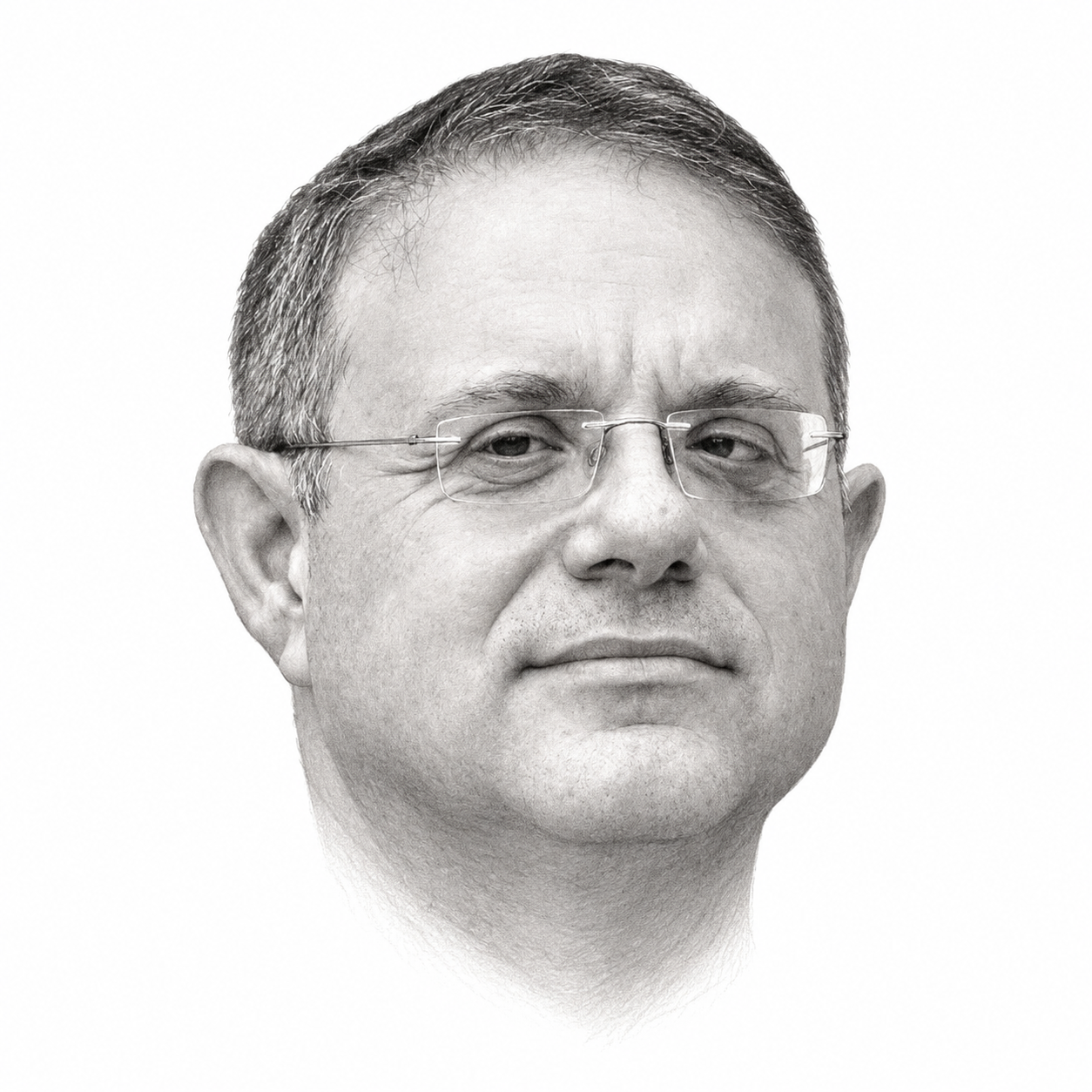
Yaakov Hagoel
Chairman of the WZO, whose work connects Zionist education and Jewish communities internationally. Official profile.

Sam Grundwerg
Former world chairman, associated with international fundraising and support for Israel and Jewish communities. Leadership transition.

Ifat Ovadia-Luski
Head of the Department for Combating Antisemitism and former chairwoman of KKL-JNF. KKL-JNF is now chaired by Eyal Ostrinsky. WZO profile; KKL-JNF leadership.

Dr. Jürgen Bühler
President of the ICEJ, an international Christian organization supporting Israel. Official leadership page.
AI-assisted portrait illustrations adapted from reference photographs: Yaakov Hagoel — JNS; Sam Grundwerg — Wikimedia Commons via Wikipedia; Ifat Ovadia-Luski — KKL-JNF; Jürgen Bühler — ICEJ.
Grounded in History. United in Purpose.
Further reading: Origins and Evolution of Zionism — Foreign Policy Research Institute · Zionism Then and Now — Union for Reform Judaism
Major Traditions
Political Zionism: Diplomacy and international recognition; associated with Theodor Herzl.
Labor Zionism: Socialist ideals, Jewish labor, and cooperative communities such as kibbutzim.
Revisionist Zionism: Assertive sovereignty, mass immigration, and self-defense; founded by Ze’ev Jabotinsky, with historically expansive territorial aims.
Religious Zionism: Jewish religious commitments connected to the land and national renewal, with differing theological interpretations.
Cultural Zionism: Hebrew, literature, education, and Jewish cultural renewal; associated with Ahad Ha’am.
Diaspora Zionism: Support for Israel alongside Jewish life and citizenship outside Israel.
These categories overlap and are not exhaustive. General, liberal, and synthetic Zionism are distinct historical labels and should not be treated as interchangeable. Explore six schools of Zionist thought at Unpacked; see also Types of Zionism and its references.
Comparing Early Zionist Traditions
Cultural Zionism emphasized a spiritual and cultural center for the Jewish people in the land of Israel, rather than treating immediate sovereignty as the first priority.
| Zionist Movement | Primary Goal | Key Figures | Main Approach |
|---|---|---|---|
| Cultural Zionism | Jewish cultural and spiritual renewal | Ahad Ha’am (Asher Ginzberg) | Developing a Hebrew cultural and educational center in the land of Israel to enrich Jewish life there and throughout the Diaspora; cultural renewal took priority over immediate statehood. |
| Political Zionism | An internationally recognized Jewish national home and eventual statehood | Theodor Herzl | Diplomacy and international legal guarantees to enable organized Jewish settlement and greater security from antisemitism. |
| Labor Zionism | Jewish national renewal through labor and socialist or cooperative institutions | David Ben-Gurion; A. D. Gordon | Agriculture, kibbutzim, workers’ organizations, and institution building in the land of Israel. |
These are overlapping historical traditions, not mutually exclusive categories. This comparison highlights three approaches; Revisionist and religious Zionism are discussed above.
Sources: Ahad Ha’am, “The Jewish State and Jewish Problem”; Herzl, The Jewish State; The History of Zionism.
A Christian Zionist Perspective
John Hagee, founder of Christians United for Israel, presents American support for Israel as a religious obligation and links it to his understanding of divine favor. Source: CBN News. This reflects his theological position rather than a view shared by all Christians.
Martin Luther King Jr. on Israel’s Security
In remarks reported in 1967, Martin Luther King Jr. affirmed Israel’s legitimacy and its need for security. Source: Jewish Telegraphic Agency.
Winston Churchill on Zionism
During his 1921 visit to Jerusalem, Winston Churchill expressed support for Zionism. Source: International Churchill Society.
Support Across Religious Communities
Support for Jewish self-determination and Israel’s existence is not limited to Jews or Christians. Individuals from Muslim, Hindu, and other backgrounds may support these aims for religious, historical, humanitarian, or political reasons. Supporting Israel, identifying as a Zionist, and endorsing a particular Israeli government are distinct positions.
Muslim Perspectives
Some Muslim thinkers explicitly support Jewish national rights. Abdul Hadi Palazzi, for example, has argued from his interpretation of Islamic scripture that recognizing Jewish ties to the land of Israel is compatible with Islam. His position should not be presented as a consensus among Muslims. Read Palazzi’s argument.
Historical cooperation also requires context. In the 1919 Faisal–Weizmann agreement, Emir Faisal accepted cooperation with the Zionist movement subject to the fulfillment of Arab independence demands. This conditional agreement was not a general endorsement by the Arab or Muslim world. Read the agreement and Faisal’s reservation.
Hindu Support and Hindu Nationalism
Some Hindu supporters of Israel emphasize historical connections, national self-determination, or shared security concerns. Hindu nationalist thinkers, including V. D. Savarkar, also expressed admiration for Zionism. However, Hinduism is a diverse religious tradition, while Hindutva is a political ideology; the two should not be treated as interchangeable. Nor should every Hindu supporter of Israel be described as a Hindu nationalist. Background and commentary from Tel Aviv University.
These perspectives are forms of support or political alignment, rather than necessarily separate branches of Jewish Zionism. Diplomatic cooperation and military service, by themselves, do not establish an individual’s ideological beliefs.
Public Figures: Historical Roles & Contemporary Advocacy
These public figures are presented for historical and educational context. Their views differ; inclusion does not imply membership in, affiliation with, or endorsement of Bluetiful5708.
Historical Figures
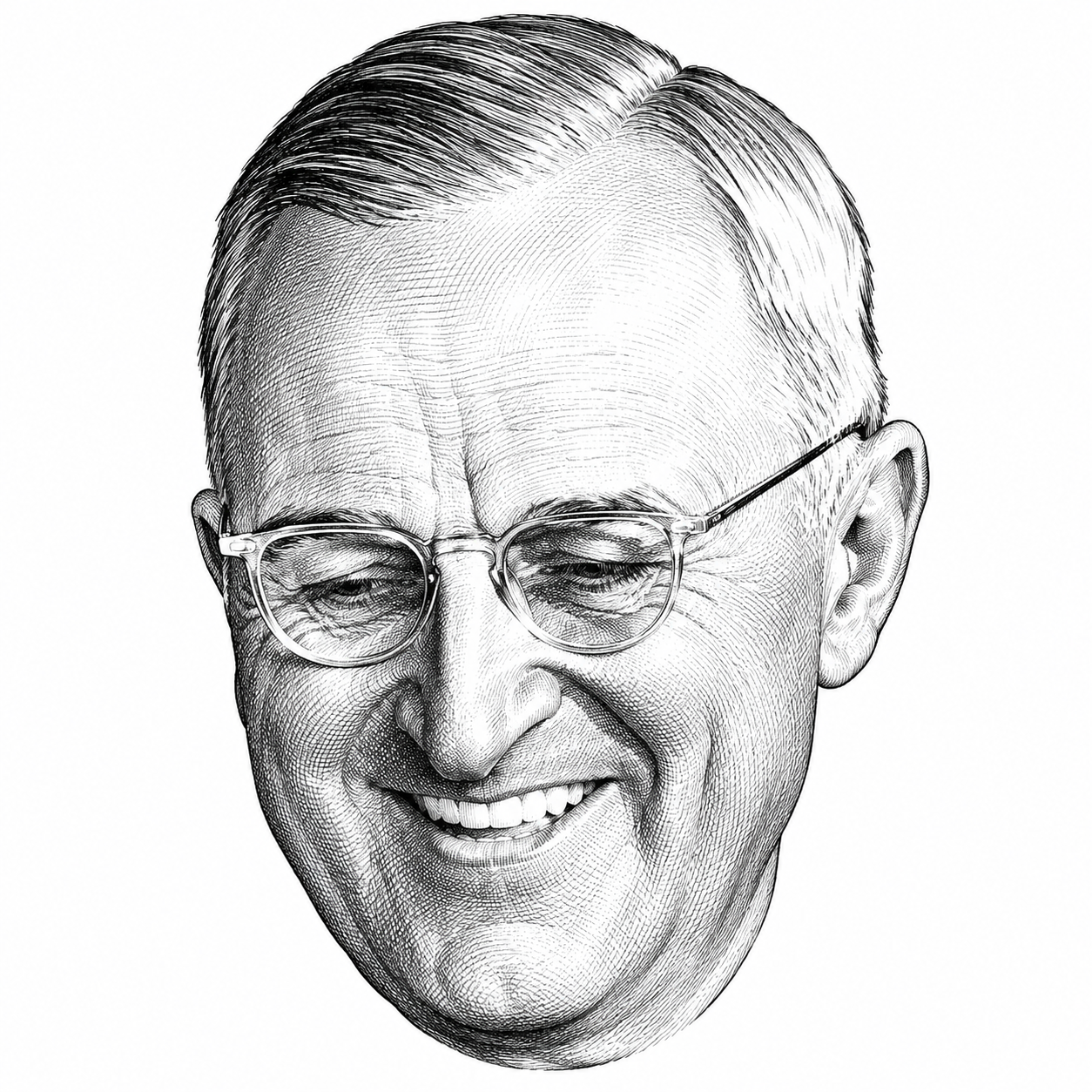
Harry S. Truman
As U.S. president, Truman recognized Israel’s provisional government on May 14, 1948. Source.
Illustration adapted from source portrait. United States Army Signal Corps / Truman Library; public domain. Image source.
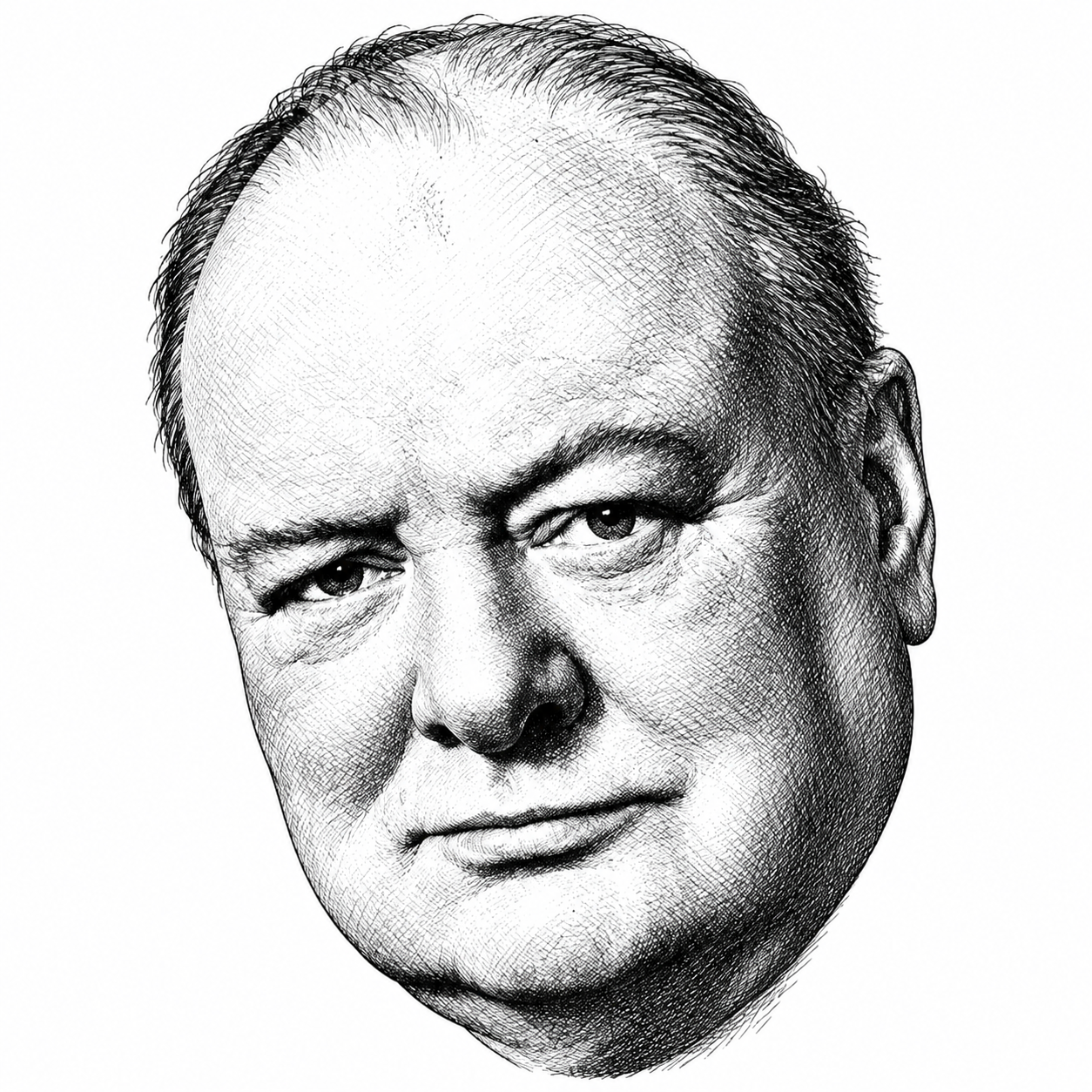
Winston Churchill
Churchill expressed support for Zionism during his 1921 visit to Jerusalem. His record belongs to the wider history of British policy in the region. Source.
Illustration adapted from source portrait. J. Russell & Sons / Library of Congress; public domain in the United States. Image source.
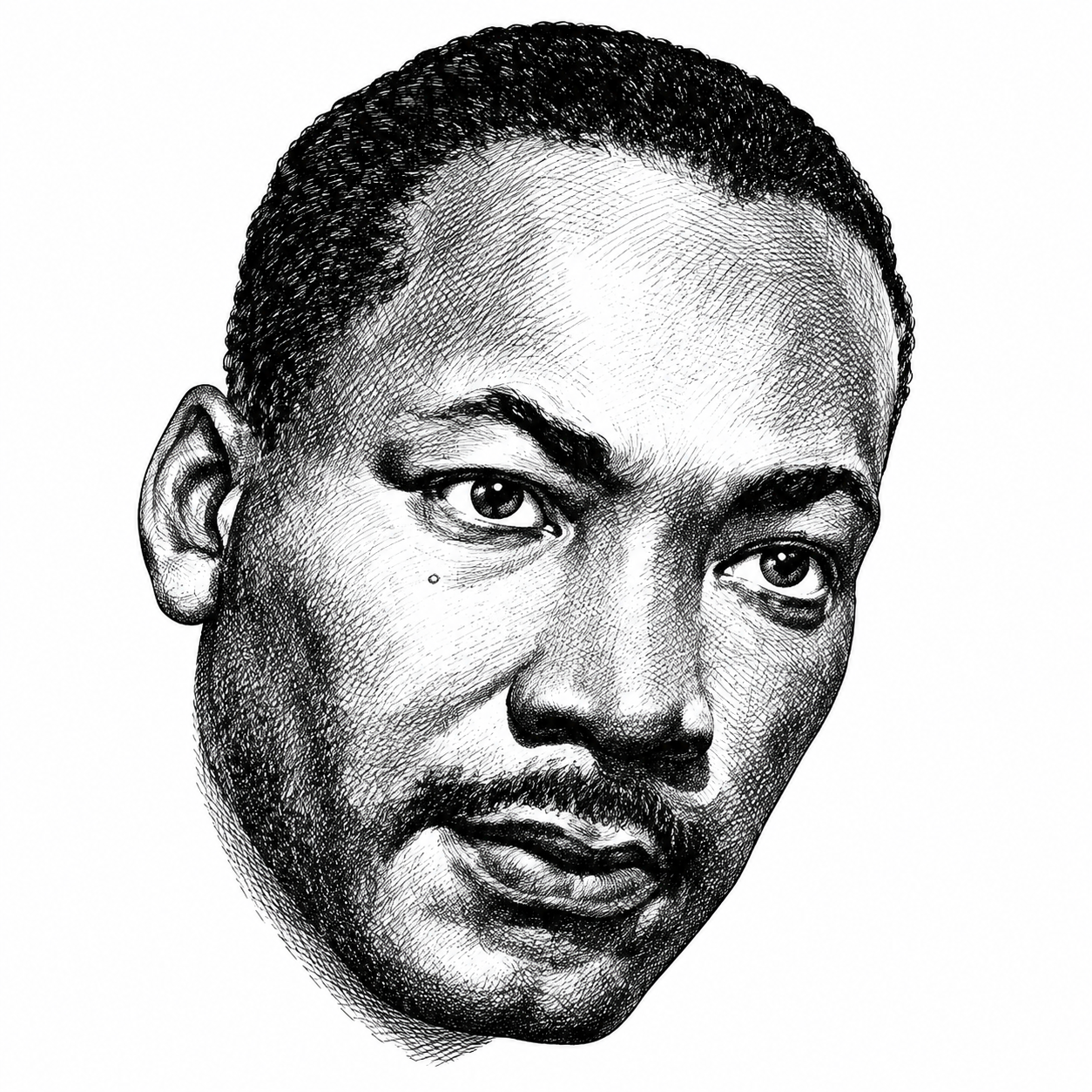
Martin Luther King Jr.
King publicly affirmed Israel’s right to exist in security, as reported in 1967. Source.
Illustration adapted from source portrait. Portrait by Betsy G. Reyneau / National Archives; public domain. Image source.
Contemporary Voices
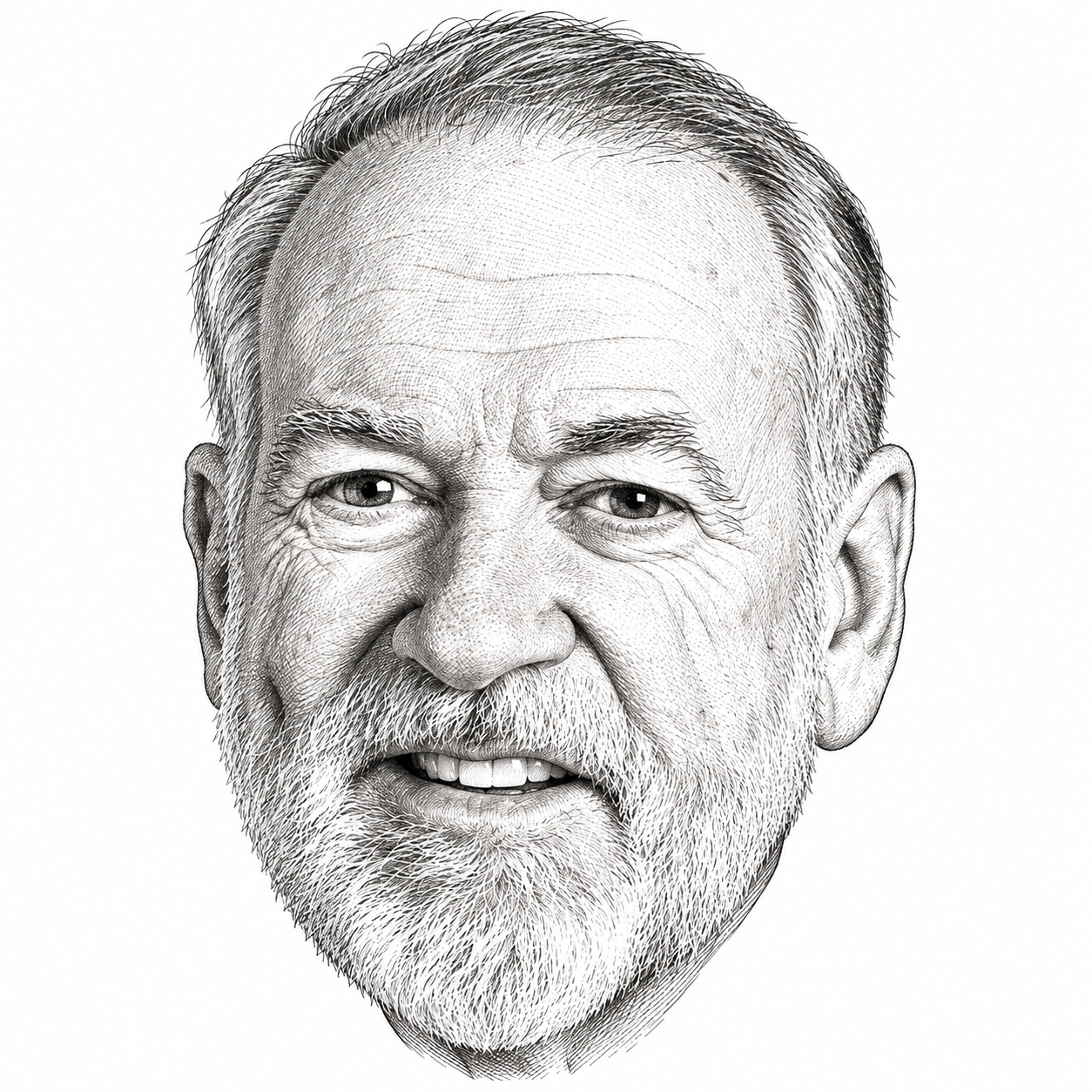
Mike Huckabee
The former Arkansas governor is a prominent Christian advocate for Israel. Source.
Illustration adapted from source portrait. United States Embassy in Israel; public domain. Image source.
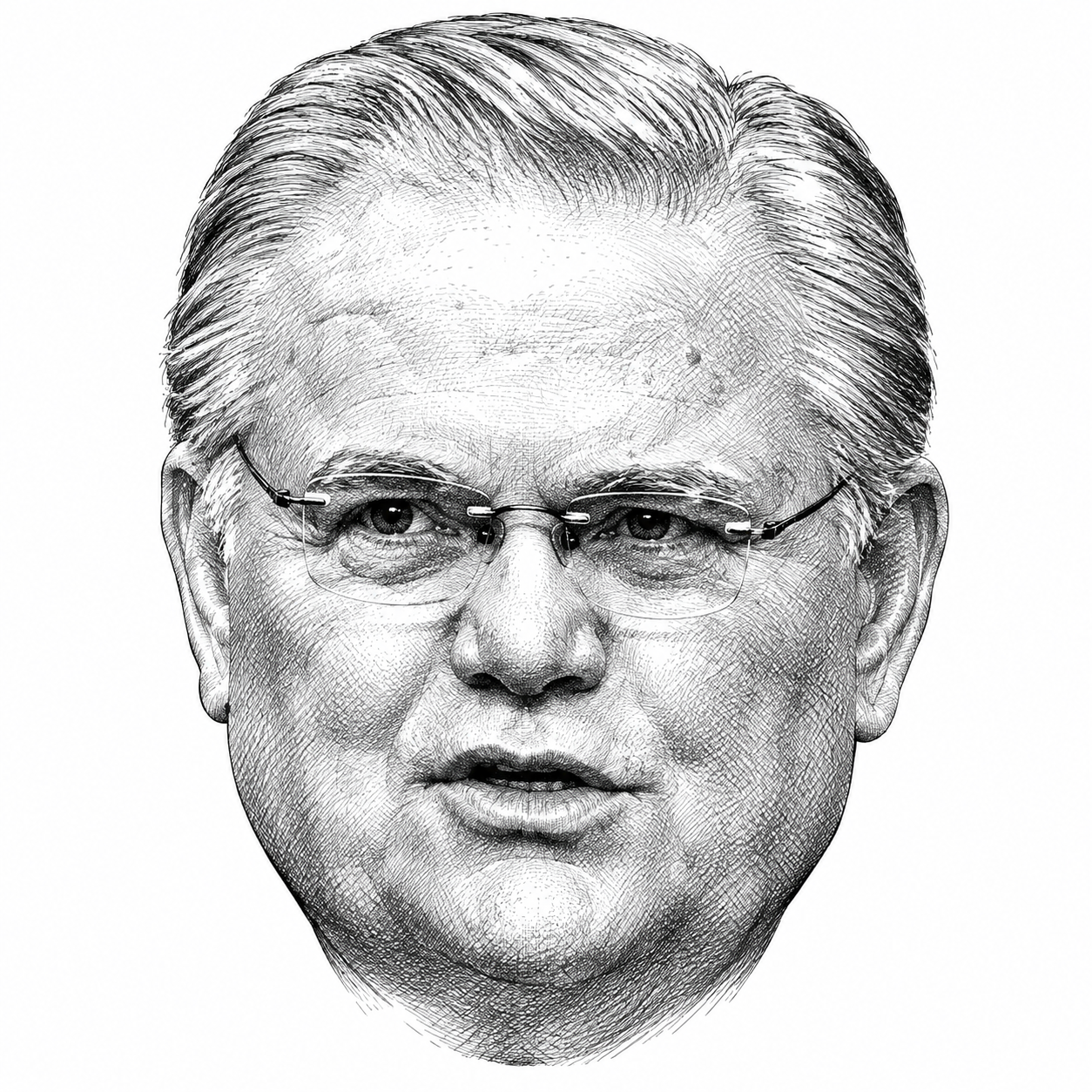
John Hagee
Hagee founded Christians United for Israel, which organizes Christian support for Israel. Source.
Illustration adapted from source portrait. Paul Wharton / Christians United for Israel. Used under CUFI’s attribution permission. Image source.

Ritchie Torres
Torres, a Democratic congressman from New York, has publicly supported Israel and condemned attacks against its civilians. Source.
Illustration adapted from source portrait. U.S. Congress; public domain. Image source.
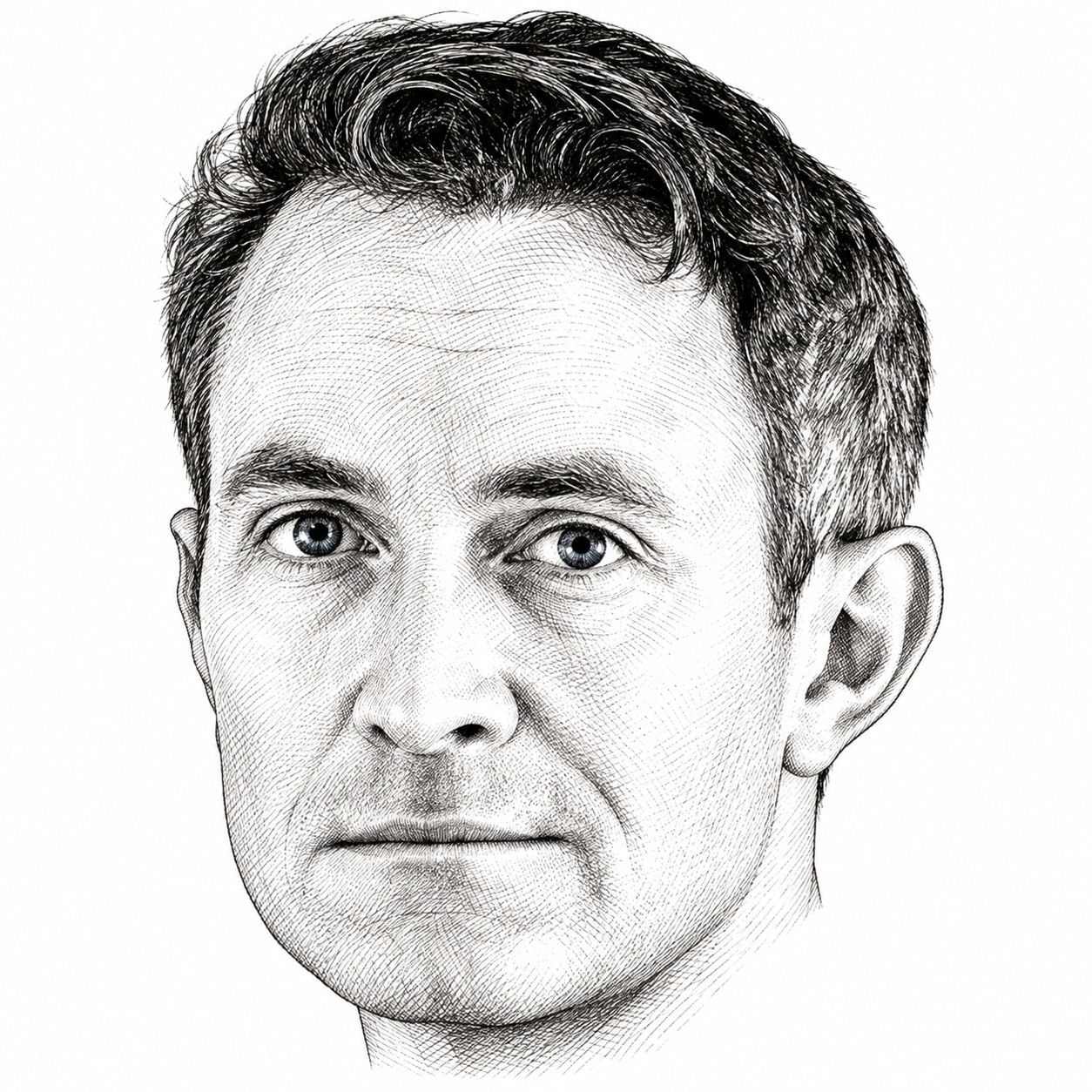
Douglas Murray
The British author and commentator has defended Israel in his public commentary and in his book On Democracies and Death Cults. Source.
Illustration adapted from source portrait. Andy Ngo; CC BY-SA 4.0. Image source.

Patricia Heaton
The actress co-founded the October 7 Coalition and has mobilized Christian support for Jewish communities in response to antisemitism. Source.
Illustration adapted from source portrait. Matt / Flickr; CC BY 2.0. Image source.
More Historical and Contemporary Voices

Debra Messing
The actress and activist speaks publicly against antisemitism and in support of Israel. Hadassah included her in its 2024 recognition of American Zionist women. Read more.

Anila Ali
A Muslim American activist and president of AMMWEC, Ali advocates interfaith cooperation and speaks against antisemitism. Read more.

Bellamy Bellucci
The South African-born dancer, model, and Jewish advocate uses her public platform to challenge antisemitism and support Israel. Read more.
Illustration sources & credits
AI-assisted illustrations adapted from reference portraits.
Harry S. Truman: United States Army Signal Corps / Truman Library; public domain. Source.
Winston Churchill: J. Russell & Sons / Library of Congress; public domain in the United States. Source.
Martin Luther King Jr.: Portrait by Betsy G. Reyneau / National Archives; public domain. Source.
Mike Huckabee: United States Embassy in Israel; public domain. Source.
John Hagee: Paul Wharton / Christians United for Israel. Used under CUFI’s attribution permission. Source.
Ritchie Torres: U.S. Congress; public domain. Source.
Douglas Murray: Andy Ngo; CC BY-SA 4.0. Source.
Patricia Heaton: Matt / Flickr; CC BY 2.0. Source.
Golda Meir: adapted from Marion S. Trikosko / Library of Congress, public domain. Source.
Debra Messing: adapted from Rubenstein / Flickr, CC BY 2.0. Source.
Anila Ali and Bellamy Bellucci: reference photographs from Hadassah’s 18 American Zionist Women.
Two Leaders, Different Zionist Traditions
David Ben-Gurion
Israel’s Founding Leadership
Israel’s first prime minister and a central figure in its establishment, Ben-Gurion declared the state’s independence in 1948. He began studying law at Istanbul University in 1912; World War I interrupted his studies in 1914.
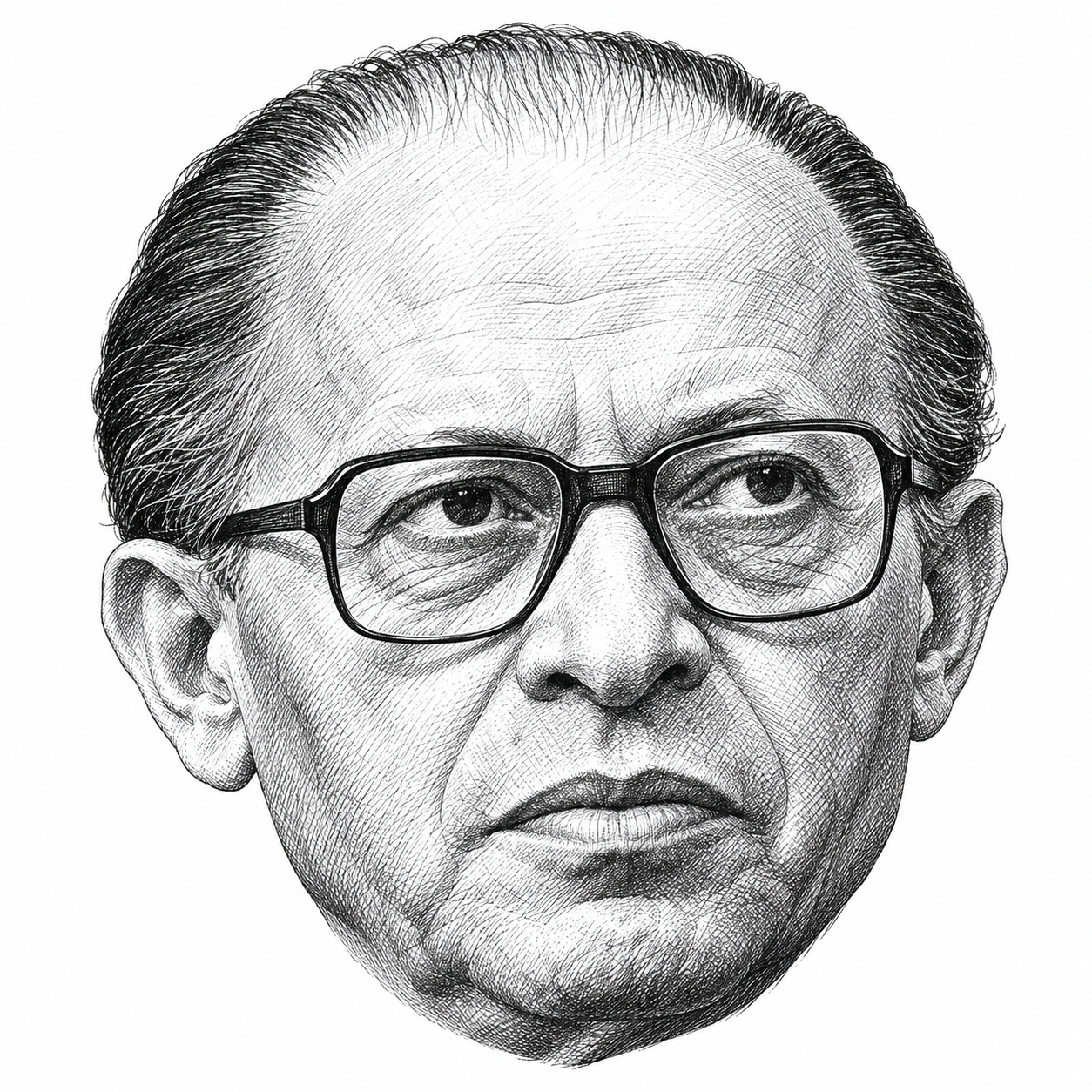
Menachem Begin
Revisionist Zionism and Peace Diplomacy
Israel’s sixth prime minister and a leader in Revisionist Zionism, Begin earned a law degree at the University of Warsaw in 1935. He shared the 1978 Nobel Peace Prize with Egypt’s Anwar Sadat for their peace negotiations.
Both portraits are AI-generated illustrations.


