
A sourced educational collection of historical Zionist figures, public advocates for Israel, and related voices in politics, entertainment, scholarship, religion, and media.
Viewpoints differ and may change over time. Individual biographies and source notes provide context. Inclusion does not imply affiliation with or endorsement of Bluetiful5708. Portraits are AI-assisted pencil illustrations. Select “Wikipedia biography” beneath a portrait, or click a name in the alphabetical directory. Where an individual Wikipedia article is unavailable, a published biography is linked.
This collection includes advocates, historical figures, diplomatic partners, and journalists. Reporting on Israel does not by itself establish a journalist’s political identification or advocacy.
Public Officials & Political Voices







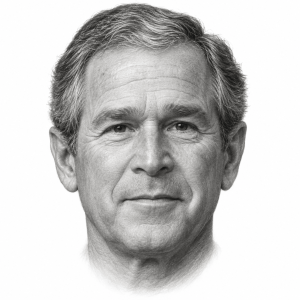
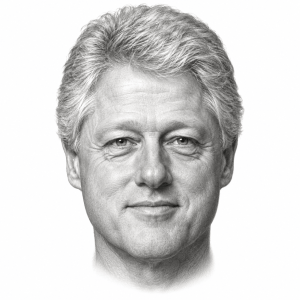
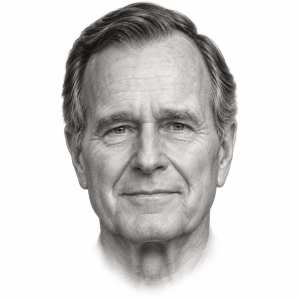
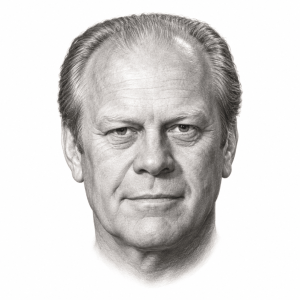
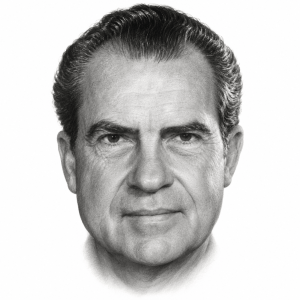
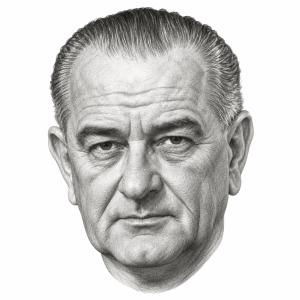
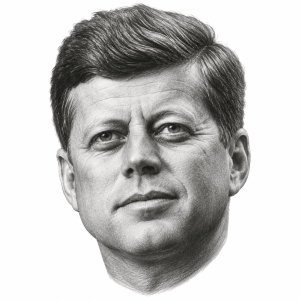
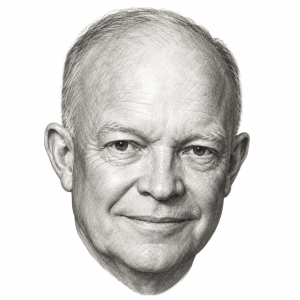
U.S. Presidents
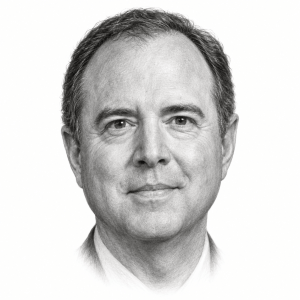
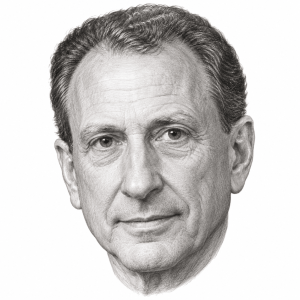
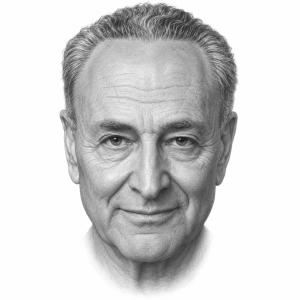
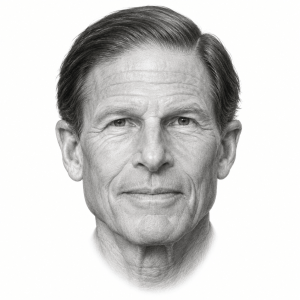
These public officials hold differing views on Israel, Palestinian rights, military assistance and Israeli government policy. Jewish identity does not establish a political position. For the 119th Congress roster, see the Jewish Virtual Library; consult individual biographies and policy sources for their records.




U.S. Senators





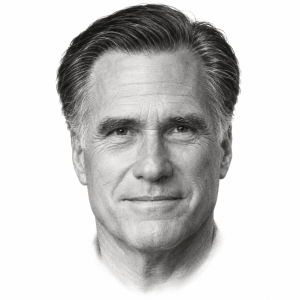



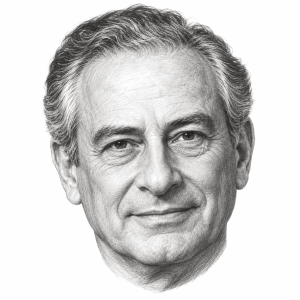
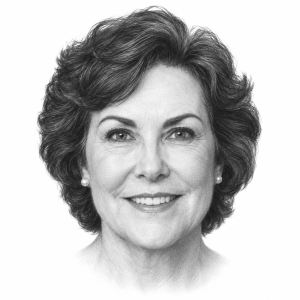
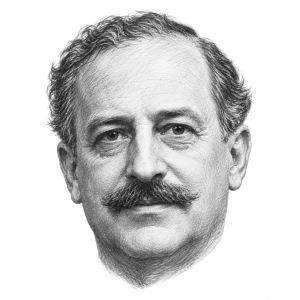
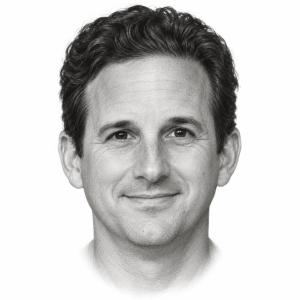
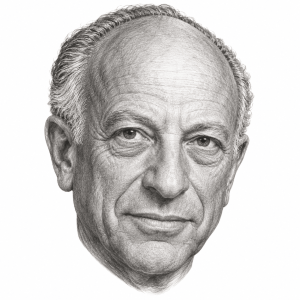

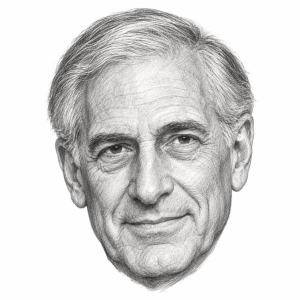
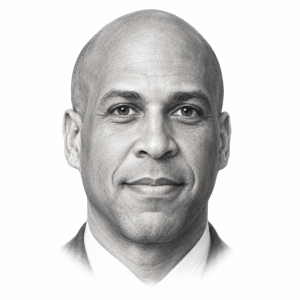
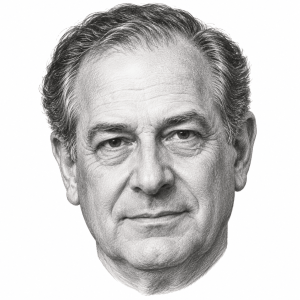




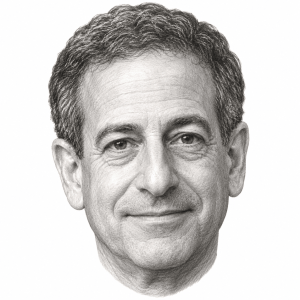

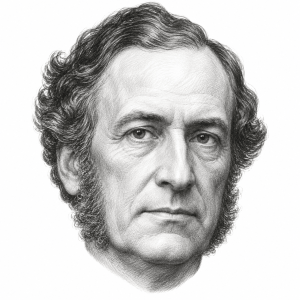
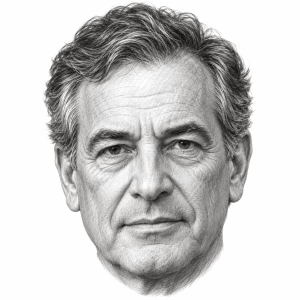

U.S. Governors




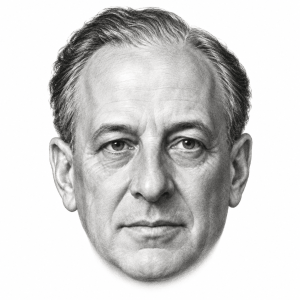

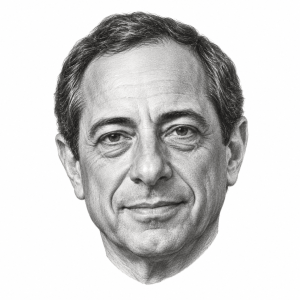
U.S. Representatives







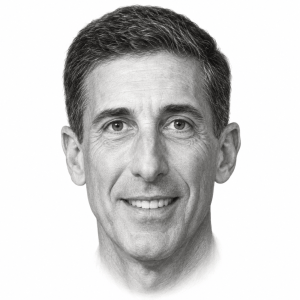
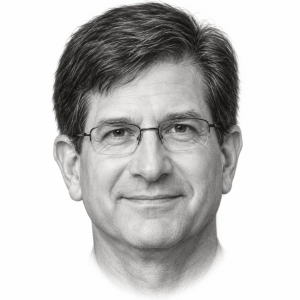
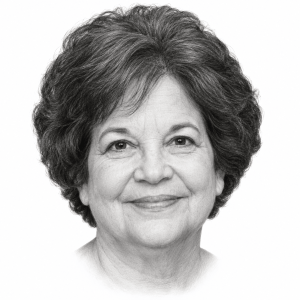
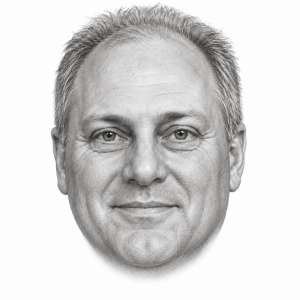
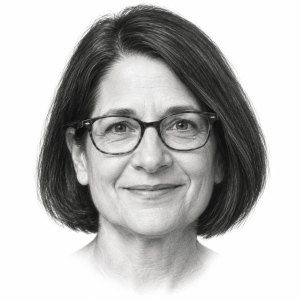

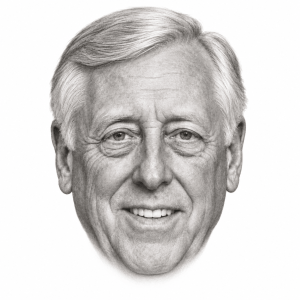






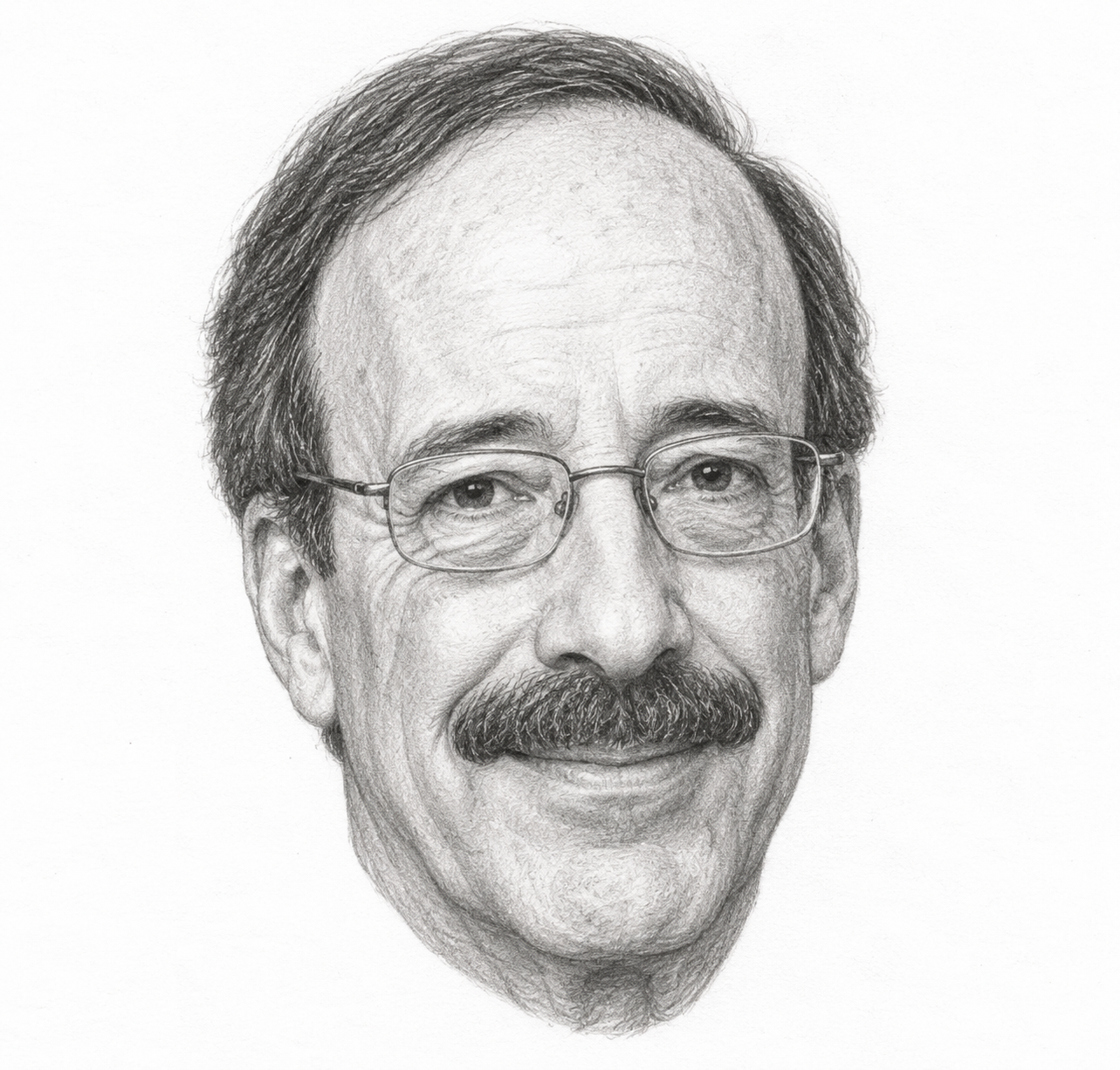
U.S. State & Local Officials
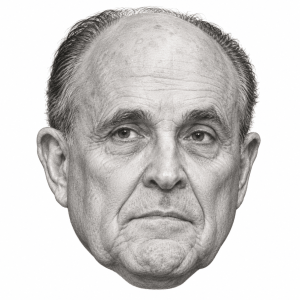




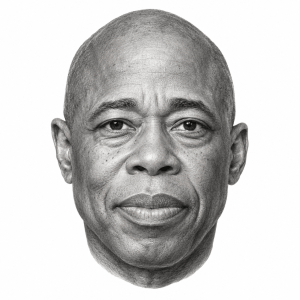
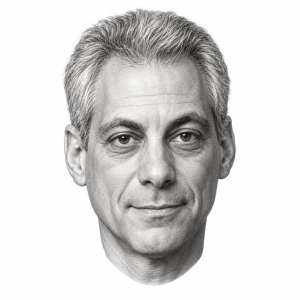
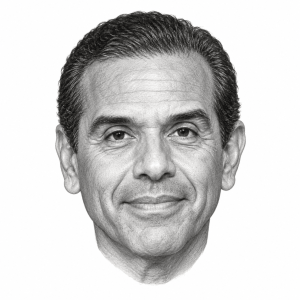
Scott Wiener
State Senator · D–CA
Current
California state senator who has supported a Jewish and democratic Israel alongside a Palestinian state and strongly criticized Israeli government policies. In January 2026, described Israel’s actions in Gaza as genocide.



U.S. Other Public Officials

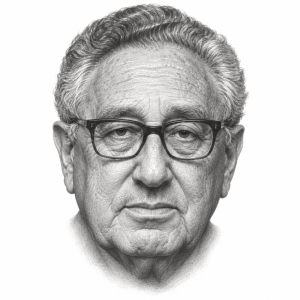
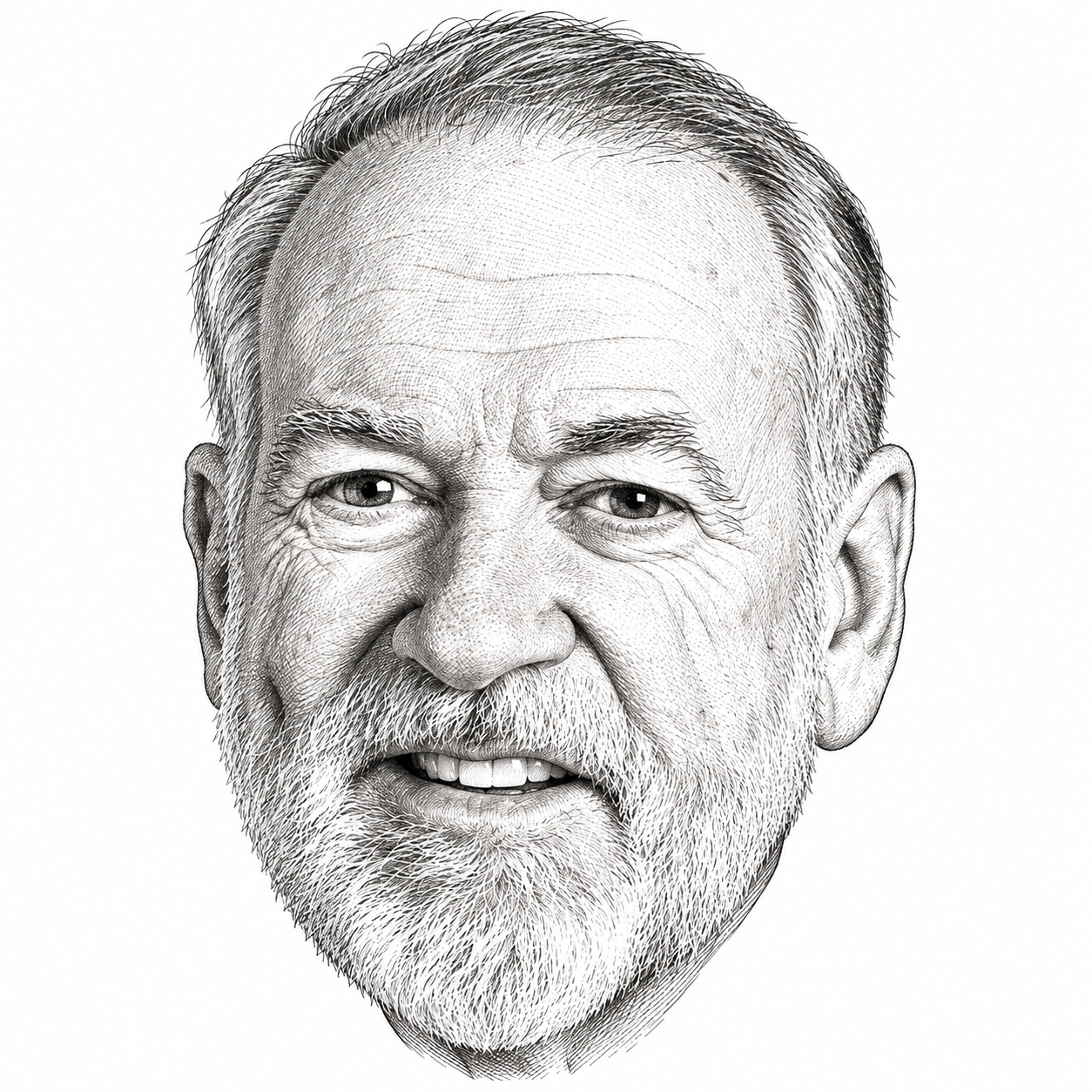
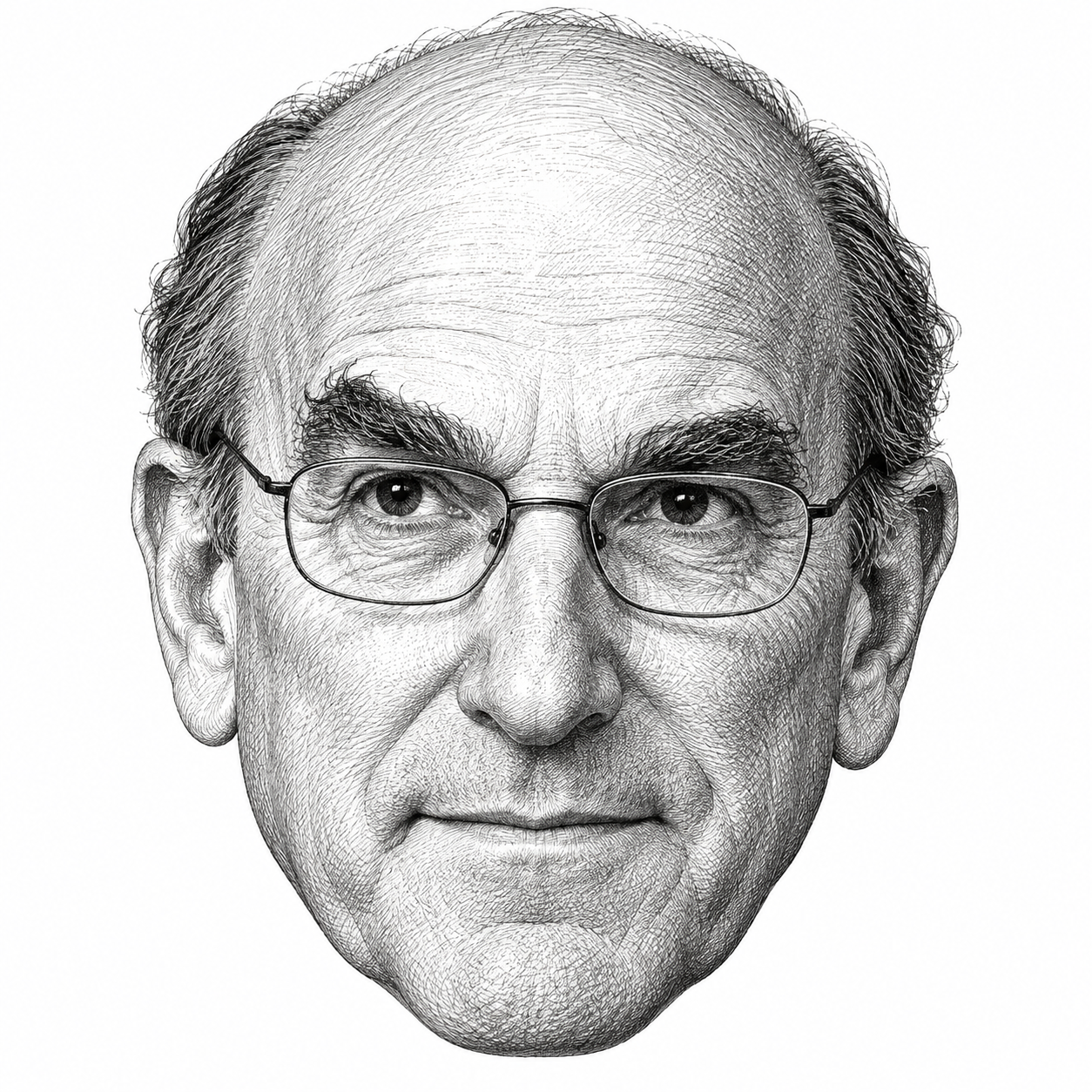






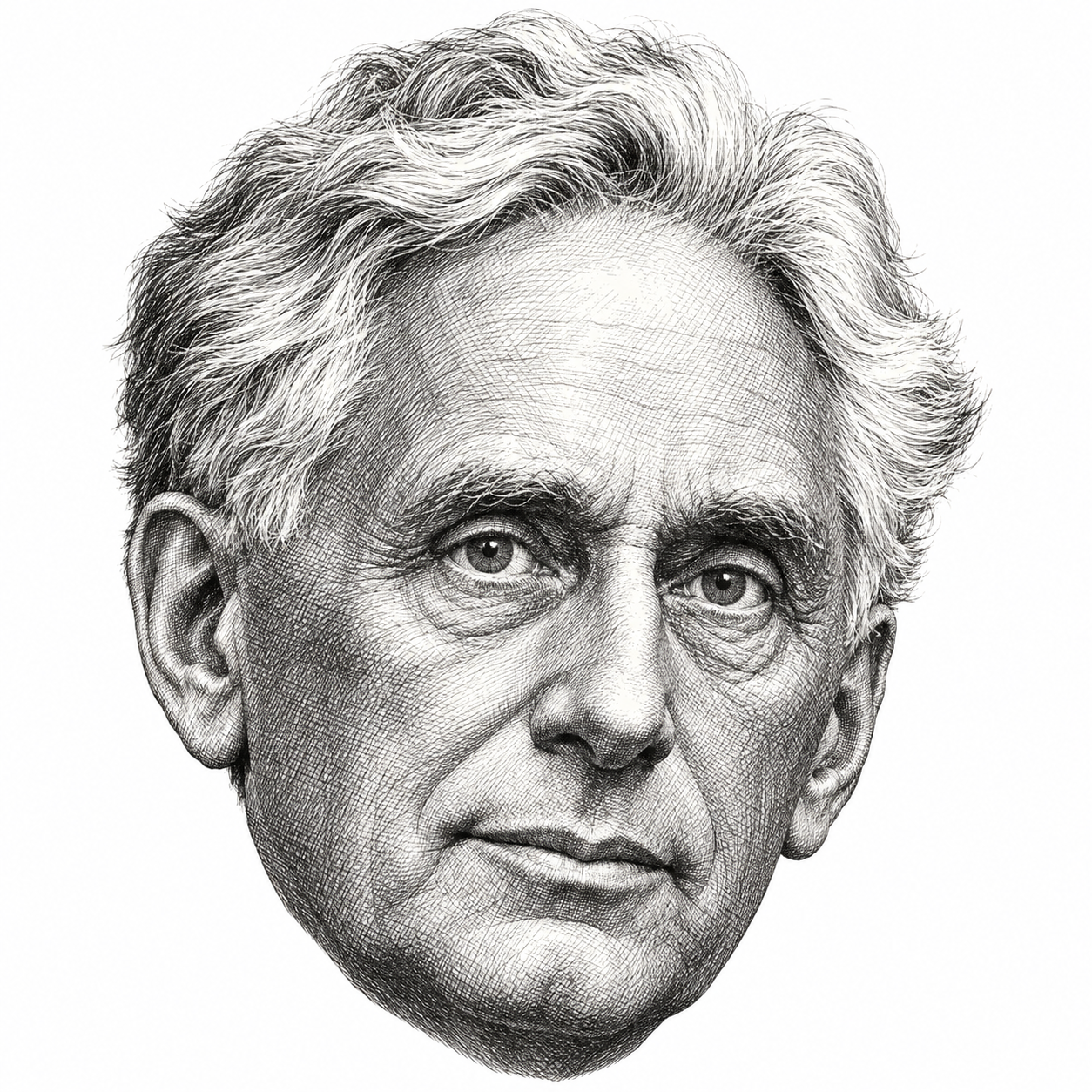
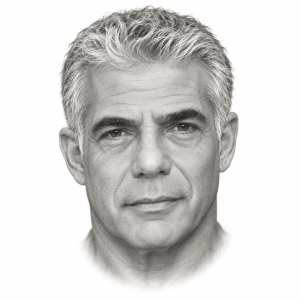
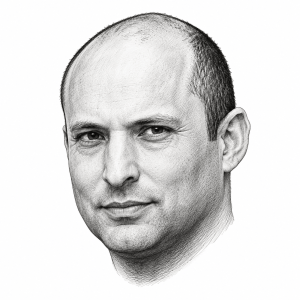
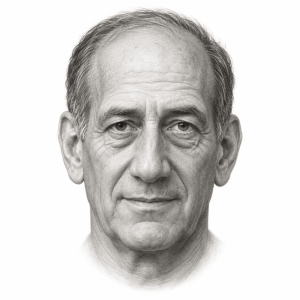
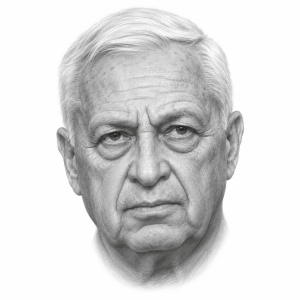
Presidents & Prime Ministers of Israel
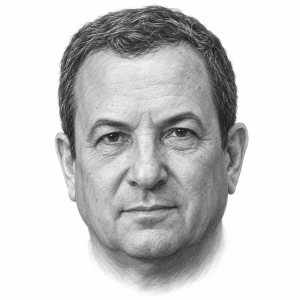
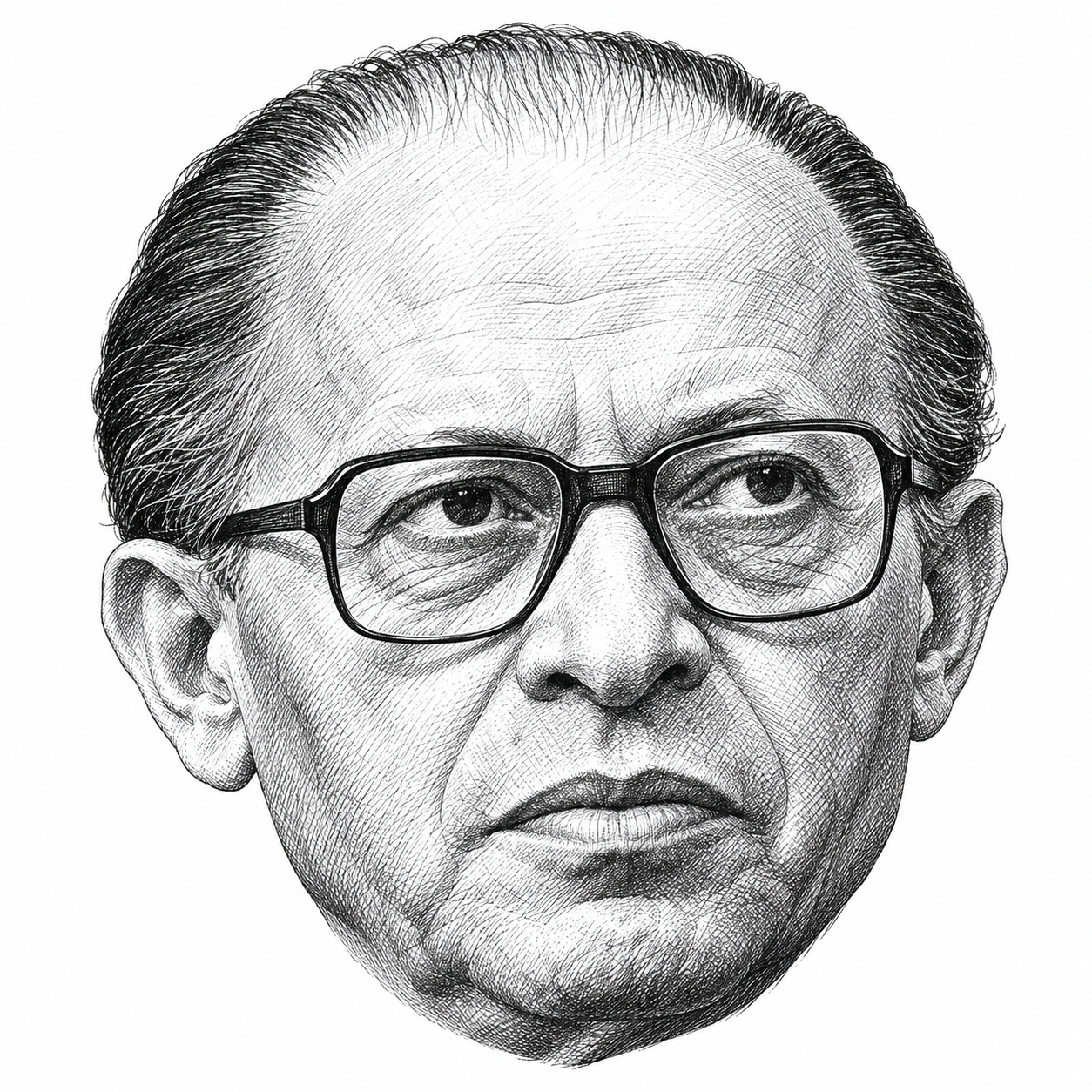

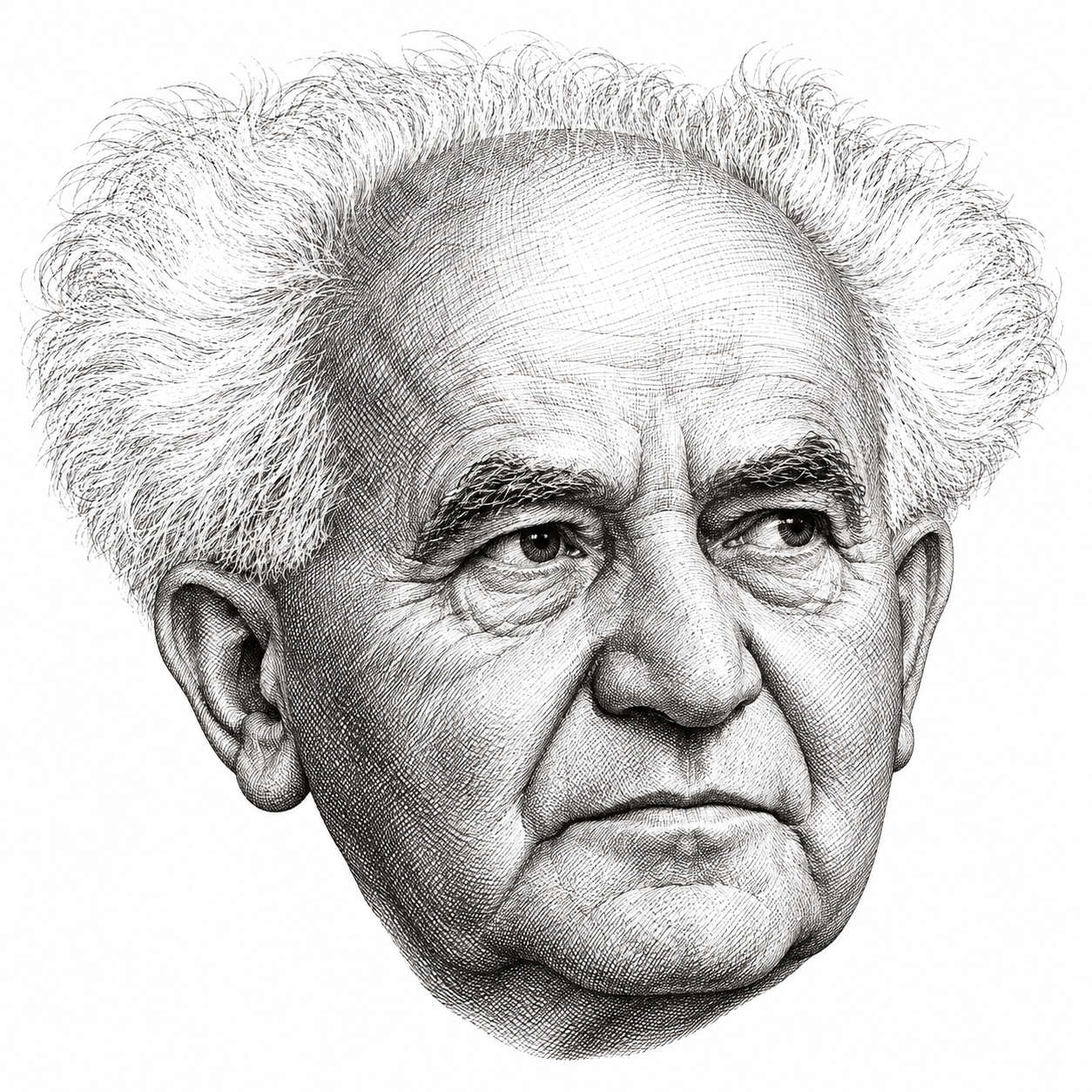
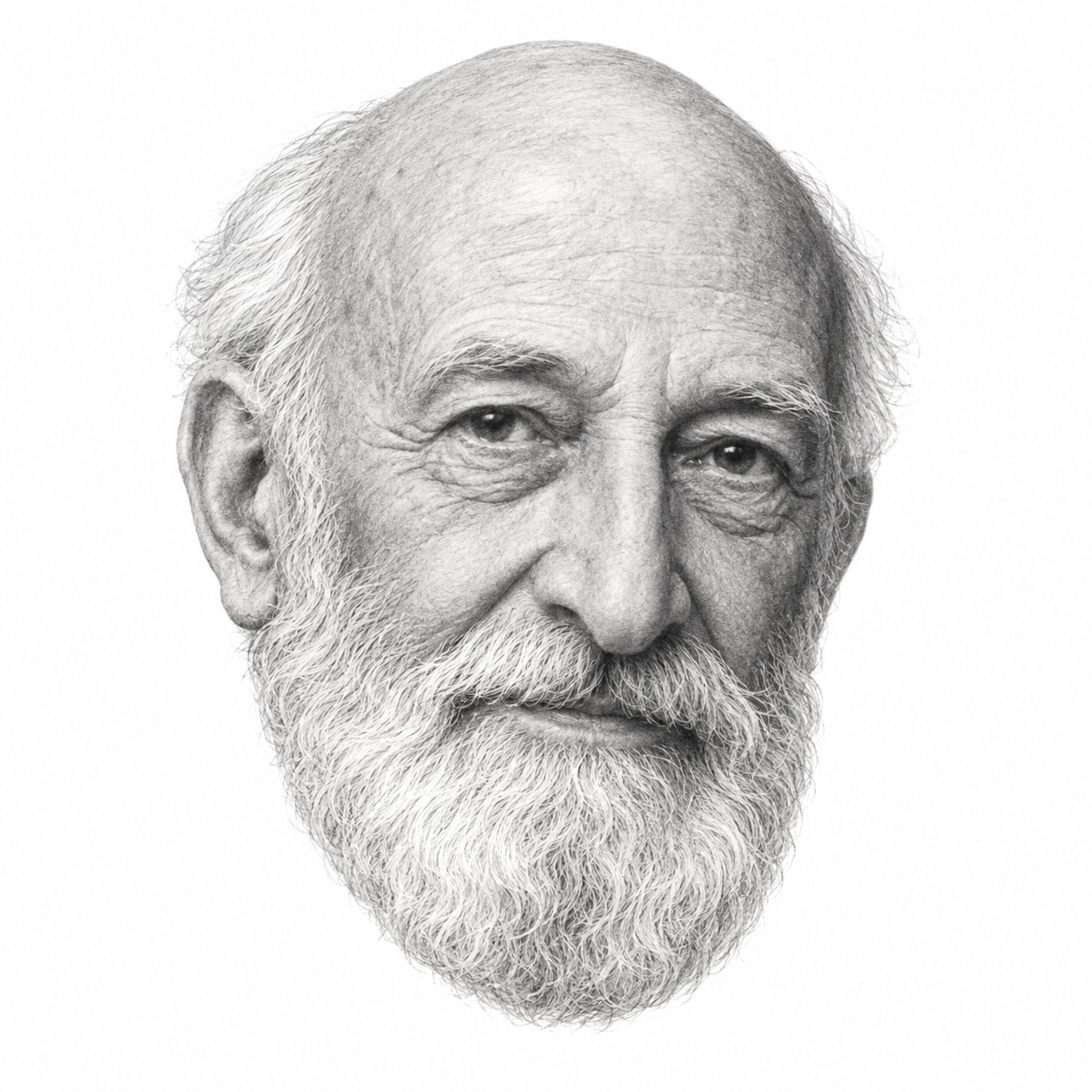
Israeli Public Officials

International Public Officials






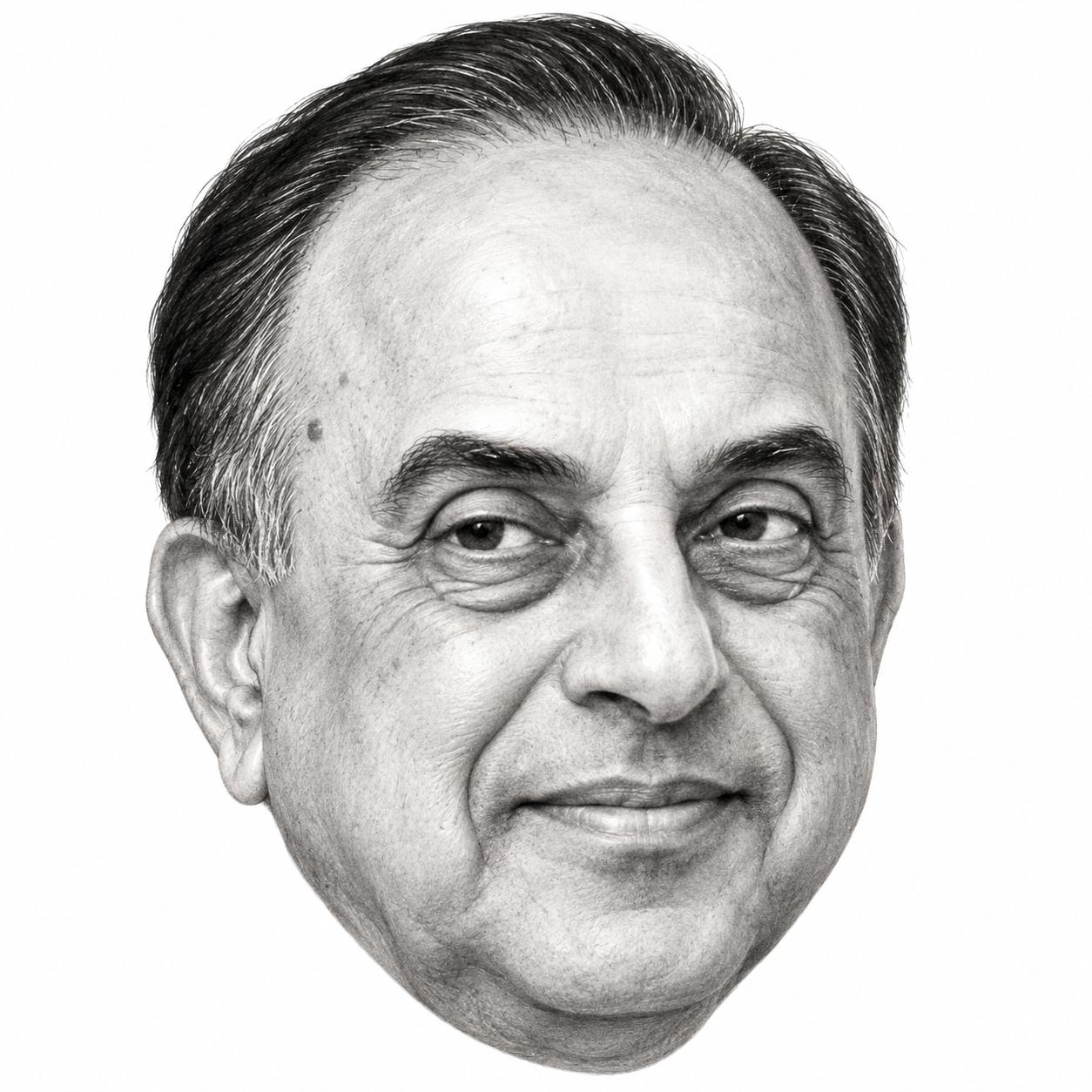
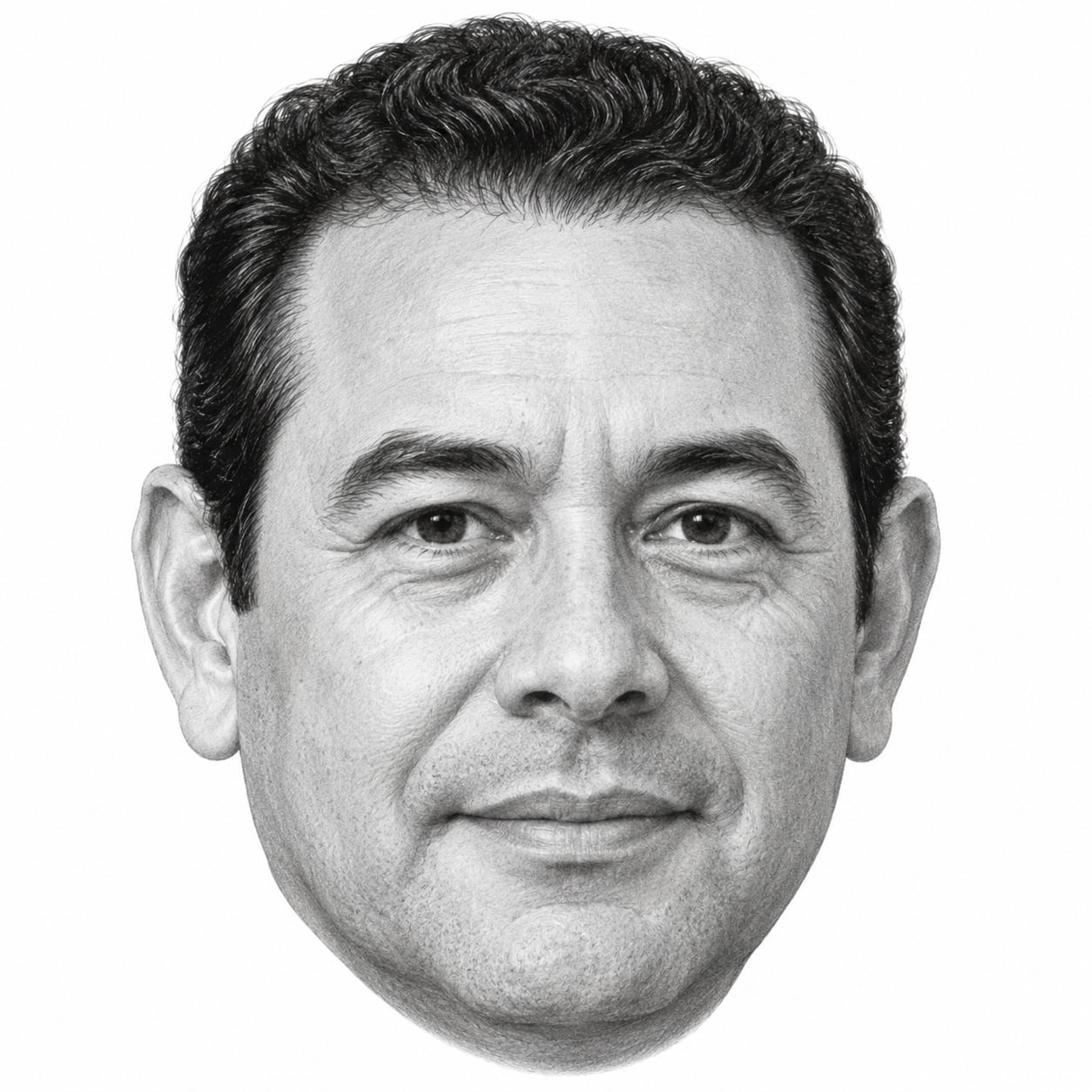








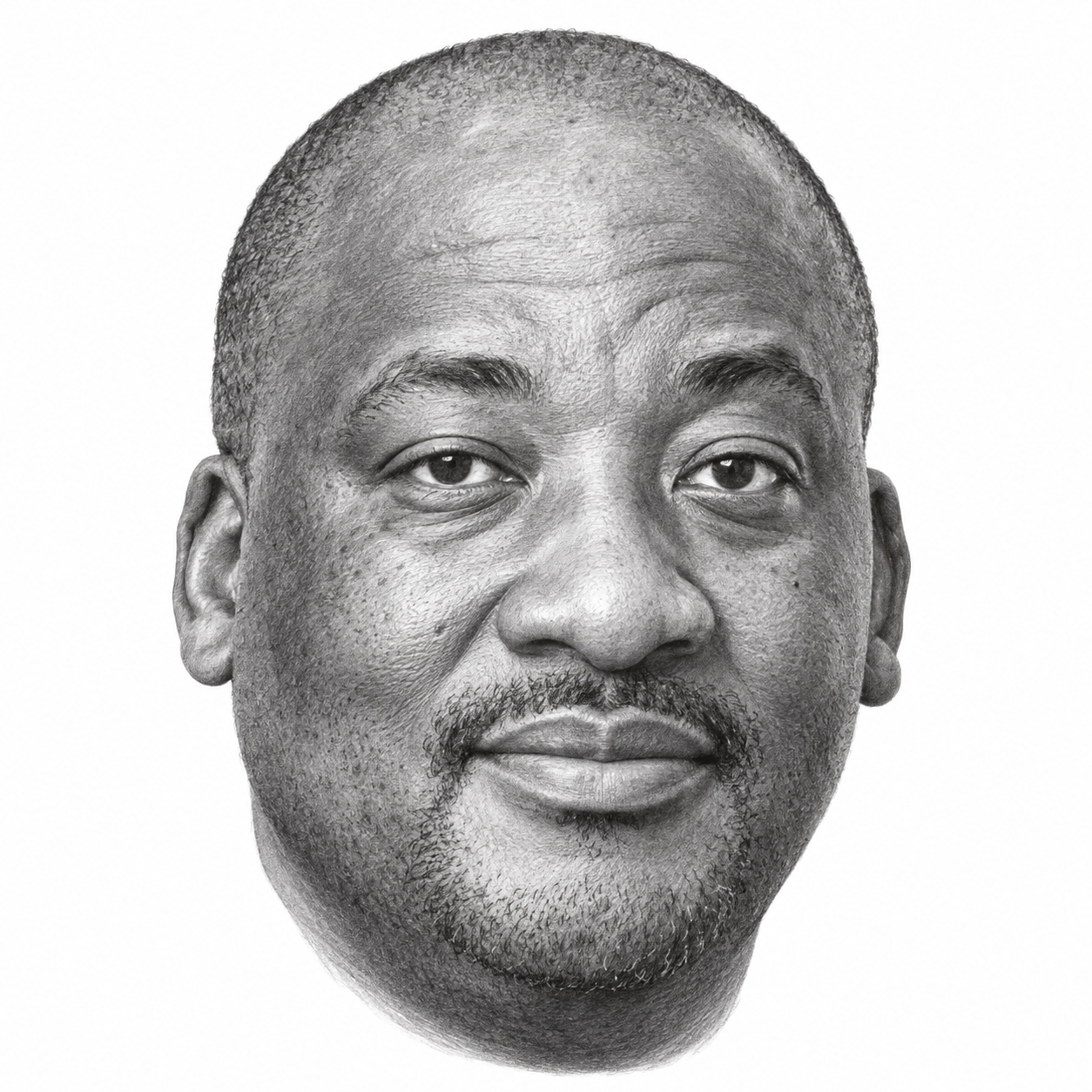
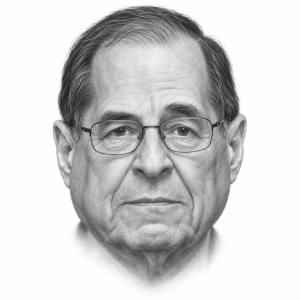
New York perspectives: Jerry Nadler and Dan Goldman support Israel’s security and a two-state solution while criticizing specific Israeli government policies. Julie Menin’s documented work here concerns combating antisemitism and protecting community safety; it does not by itself establish a position on Israeli foreign policy.
- Friedrich Merz — German Chancellor; affirms Israel’s security and existence while supporting a two-state solution.
- Giorgia Meloni — Italian PM; supports Israel’s security while also criticizing its Gaza campaign.
- Ursula von der Leyen — European Commission President; supports Israel’s security and a two-state solution, and proposed trade-related measures over Gaza.
- Viktor Orbán — Former Hungarian PM; maintained close ties with Israeli leadership.
- Petr Fiala — Former Czech PM; advocated support for Israel.
- Santiago Abascal — Spanish politician and VOX leader associated with pro-Israel political cooperation.
- Geert Wilders — Dutch politician and PVV leader known for pro-Israel advocacy.
Sources: German Federal Government; Italian Government; European Commission; OSW analysis.
India–Israel ties: Swamy has advocated connections between Hindutva and Zionism (Tel Aviv University commentary). Modi has expanded India–Israel strategic cooperation (official joint statement); his inclusion reflects that diplomatic record rather than an attributed personal Zionist identity.
These public officials are included for specific diplomatic agreements, mediation or civic cooperation. These actions do not by themselves establish that each person identifies as a Zionist.
- Faisal I of Iraq — Signed the conditional Faisal–Weizmann Agreement in 1919, proposing Arab–Jewish cooperation; its conditions and historical context are essential.
- Anwar Sadat — President of Egypt; visited Jerusalem in 1977 and signed the Egypt–Israel Peace Treaty in 1979.
- King Hussein of Jordan — King of Jordan; concluded the 1994 Israel–Jordan Peace Treaty.
- King Hassan II of Morocco — Facilitated secret Egyptian–Israeli contacts and diplomatic mediation.
- Mohamed bin Zayed Al Nahyan — UAE leader associated with the 2020 normalization agreement with Israel.
- King Hamad bin Isa Al Khalifa — Bahrain’s monarch during its 2020 normalization agreement with Israel.
- King Mohammed VI of Morocco — Morocco’s monarch during the 2020 agreement to resume relations with Israel.
Sudan: Announced normalization with Israel in 2020 and signed the Abraham Accords Declaration in 2021; the process should not be described as a completed bilateral peace treaty. Background and status.
- Mansour Abbas — Ra’am politician whose party joined Israel’s governing coalition in 2021, pursuing civic cooperation and Arab citizens’ interests.
Shira Yair Lapid — Israeli representative at the United Nations and community organizer. Biography.
Gadi Ezra — Human rights attorney and former director of Israel’s National Public Diplomacy Unit. Biography.
Eylon Levy — Former Israeli government spokesperson and public diplomacy advocate. Biography.
“2023 letter” links document signatures on Creative Community for Peace’s October 12, 2023 statement condemning Hamas and supporting Israel. They record that statement at that time, rather than agreement with every Israeli government policy.
Sources & portrait credits
U.S. presidents: historical context
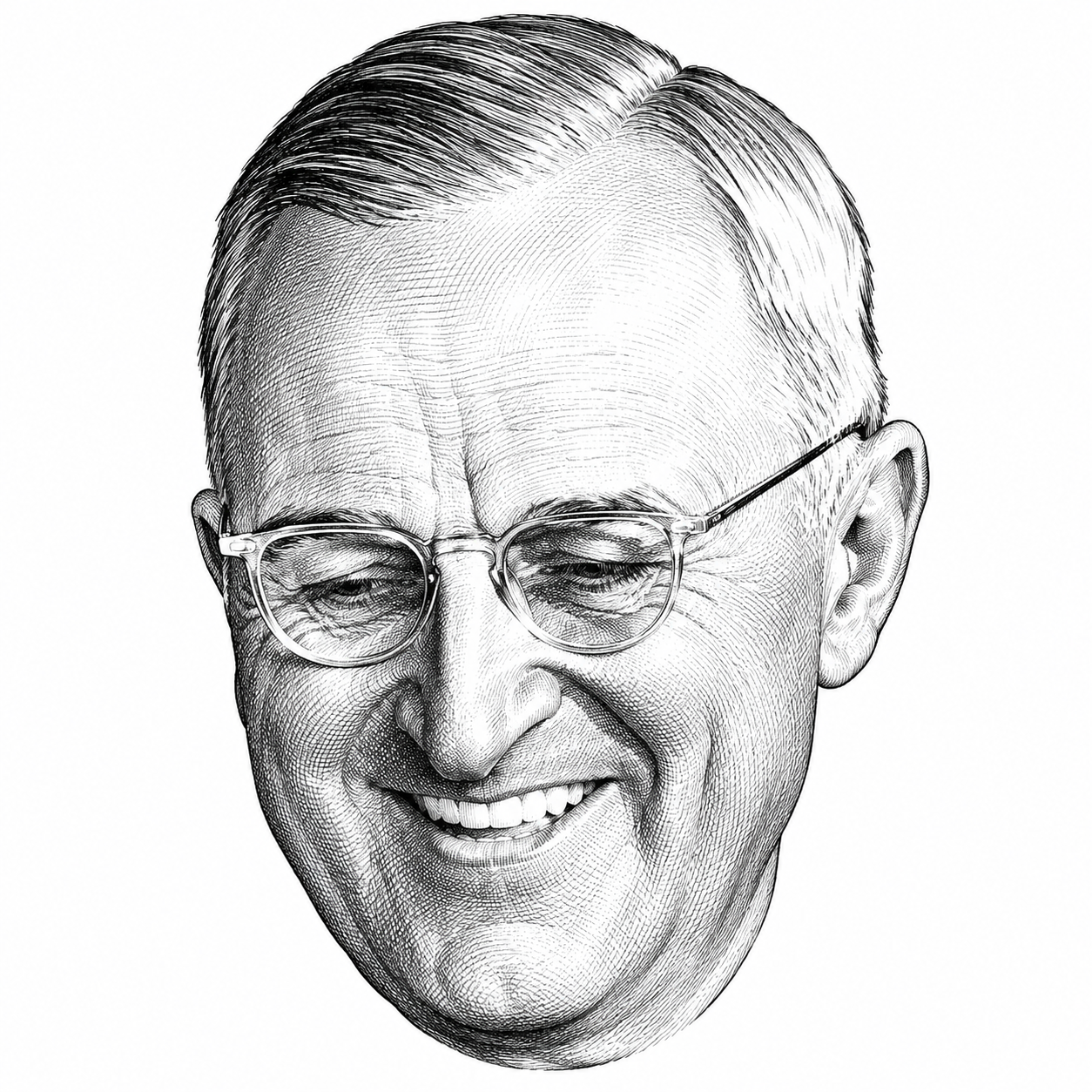
Harry S. Truman (president, 1945–1953): On May 14, 1948, the United States recognized Israel’s provisional government as its de facto authority; U.S. de jure recognition followed on January 31, 1949. Source: National Archives.
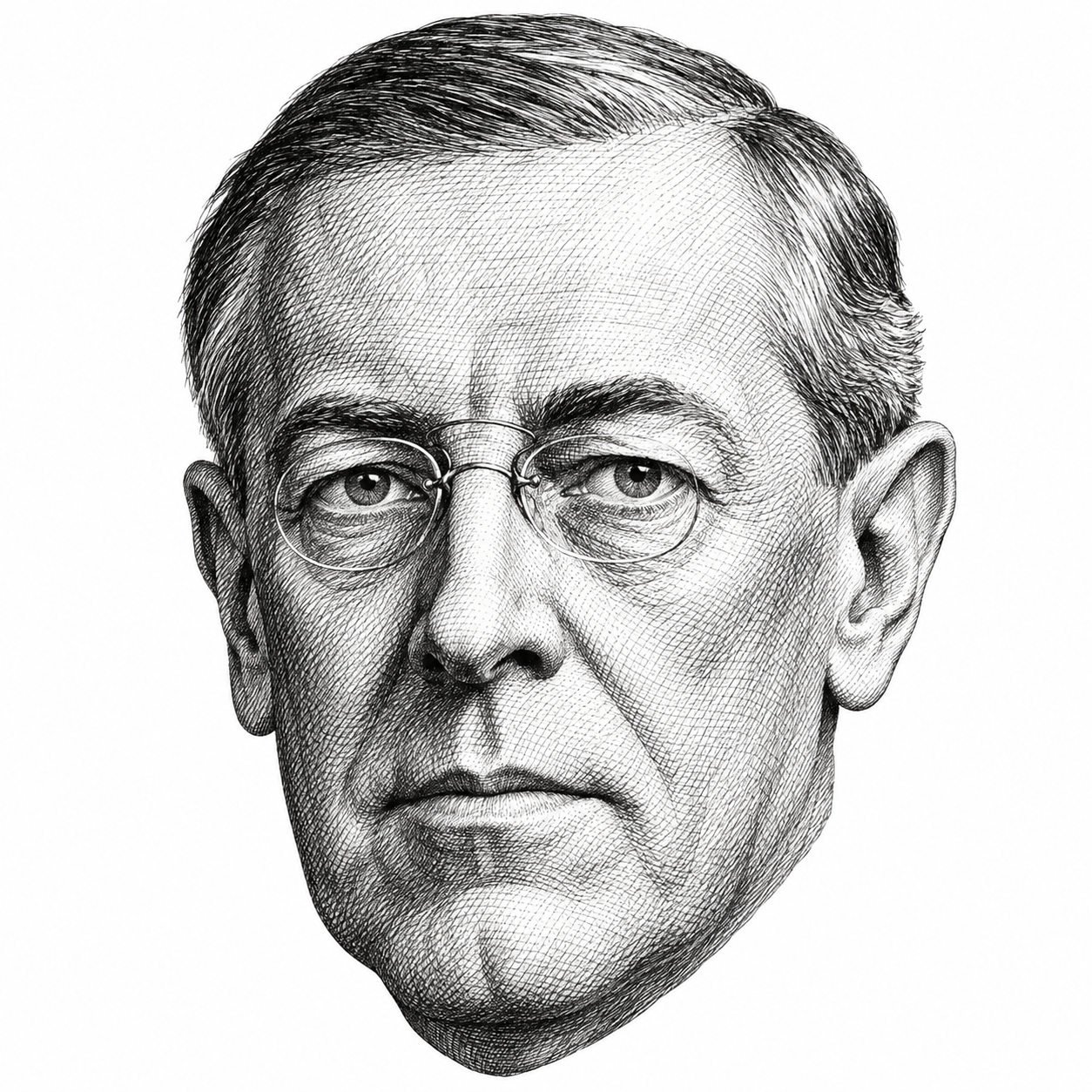
Woodrow Wilson (1913–1921): Approved the Balfour Declaration’s text before its publication in 1917 and publicly supported the Jewish national-home project. Source: U.S. State Department historical documents.
Theodore Roosevelt (1901–1909): Expressed support in 1918 for establishing a Zionist state around Jerusalem. This statement came after his presidency. Source: historical commentary.
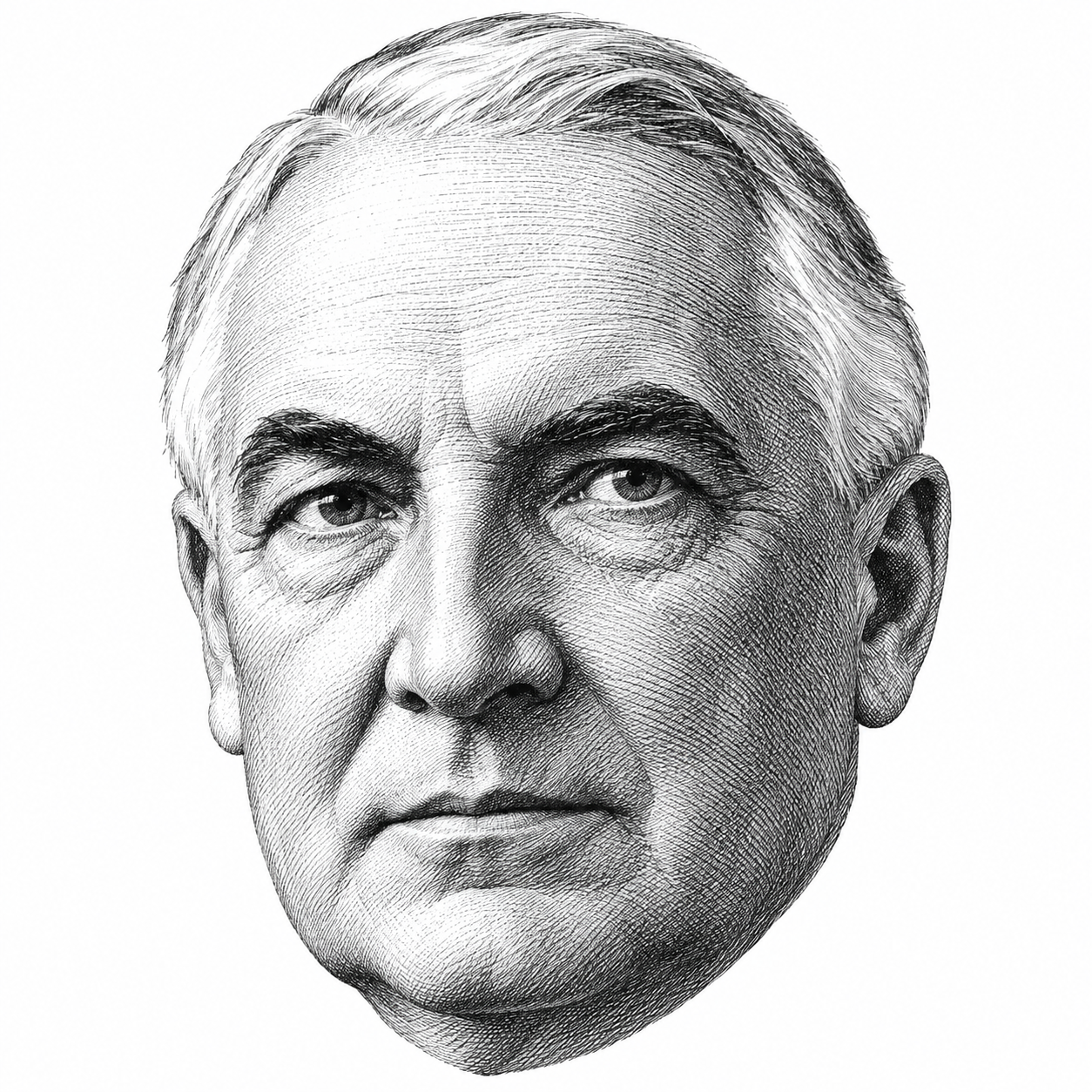
Warren G. Harding (1921–1923): Signed the September 21, 1922 congressional resolution supporting a Jewish national home in Palestine. Source: U.S. State Department historical documents.
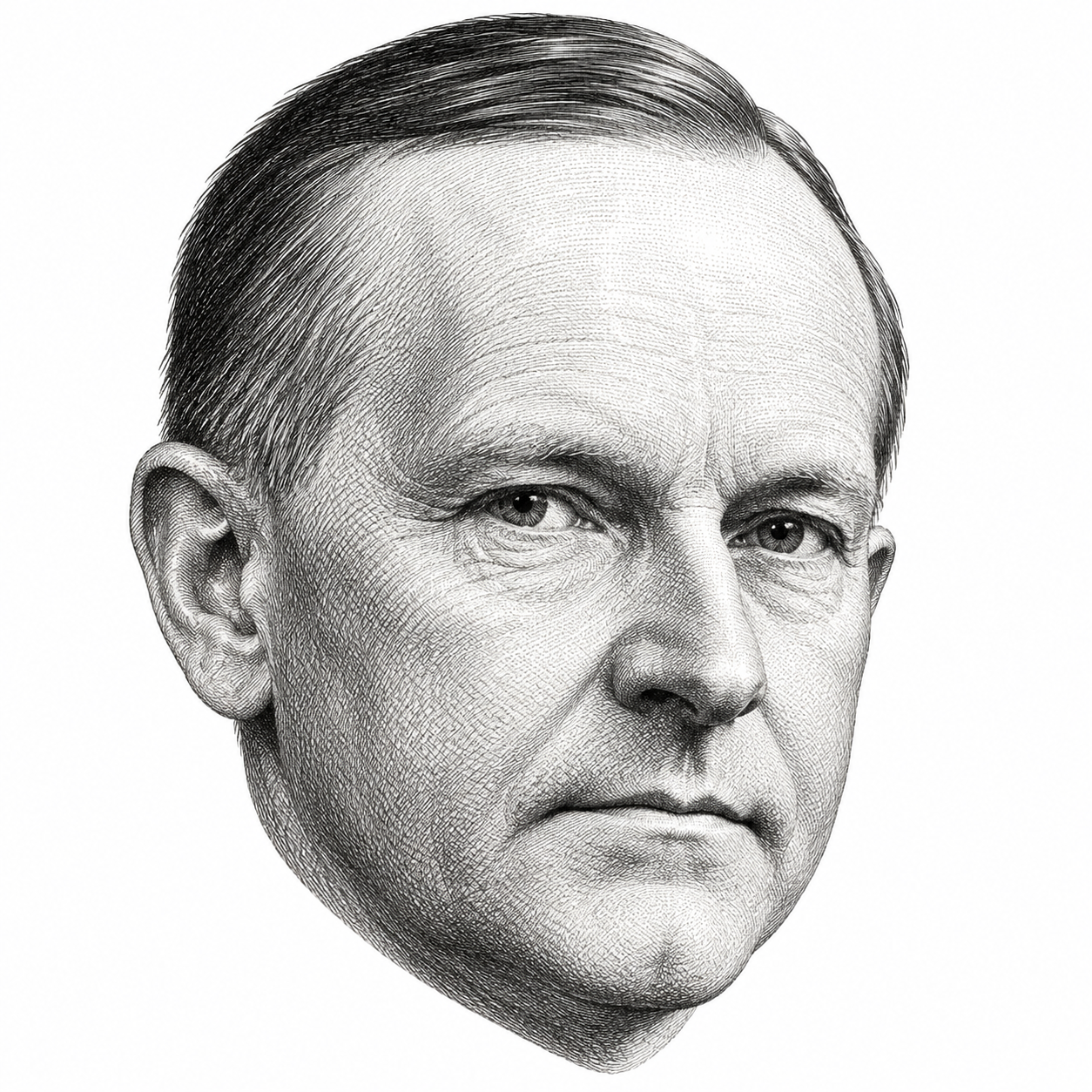
Calvin Coolidge (1923–1929): His administration concluded the 1924 Anglo-American convention concerning the Palestine Mandate, whose framework included the Jewish national-home policy. Source: convention text.
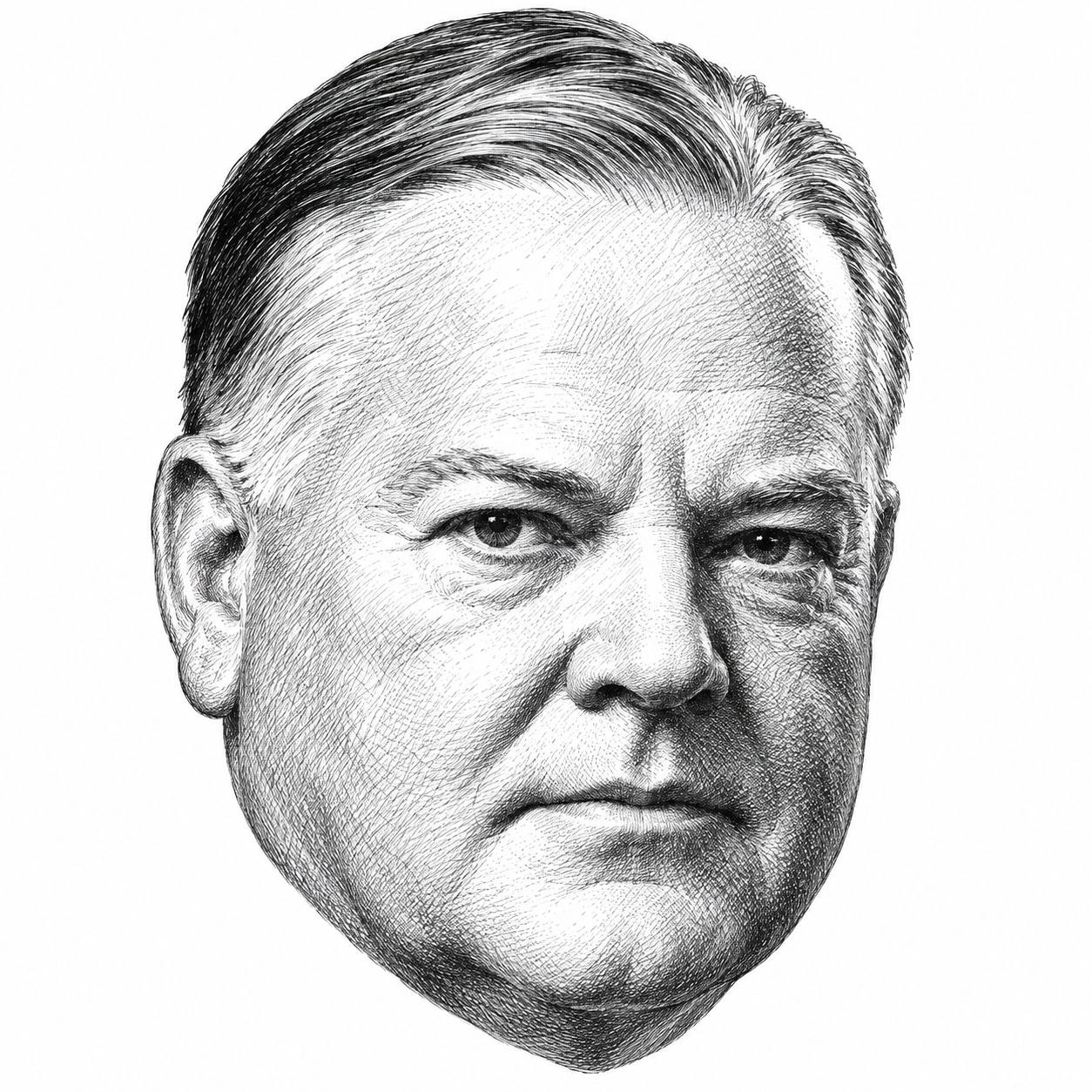
Herbert Hoover (1929–1933): Publicly supported the Jewish national-home project, including in his 1932 message marking the Balfour Declaration’s anniversary. Source: presidential message.
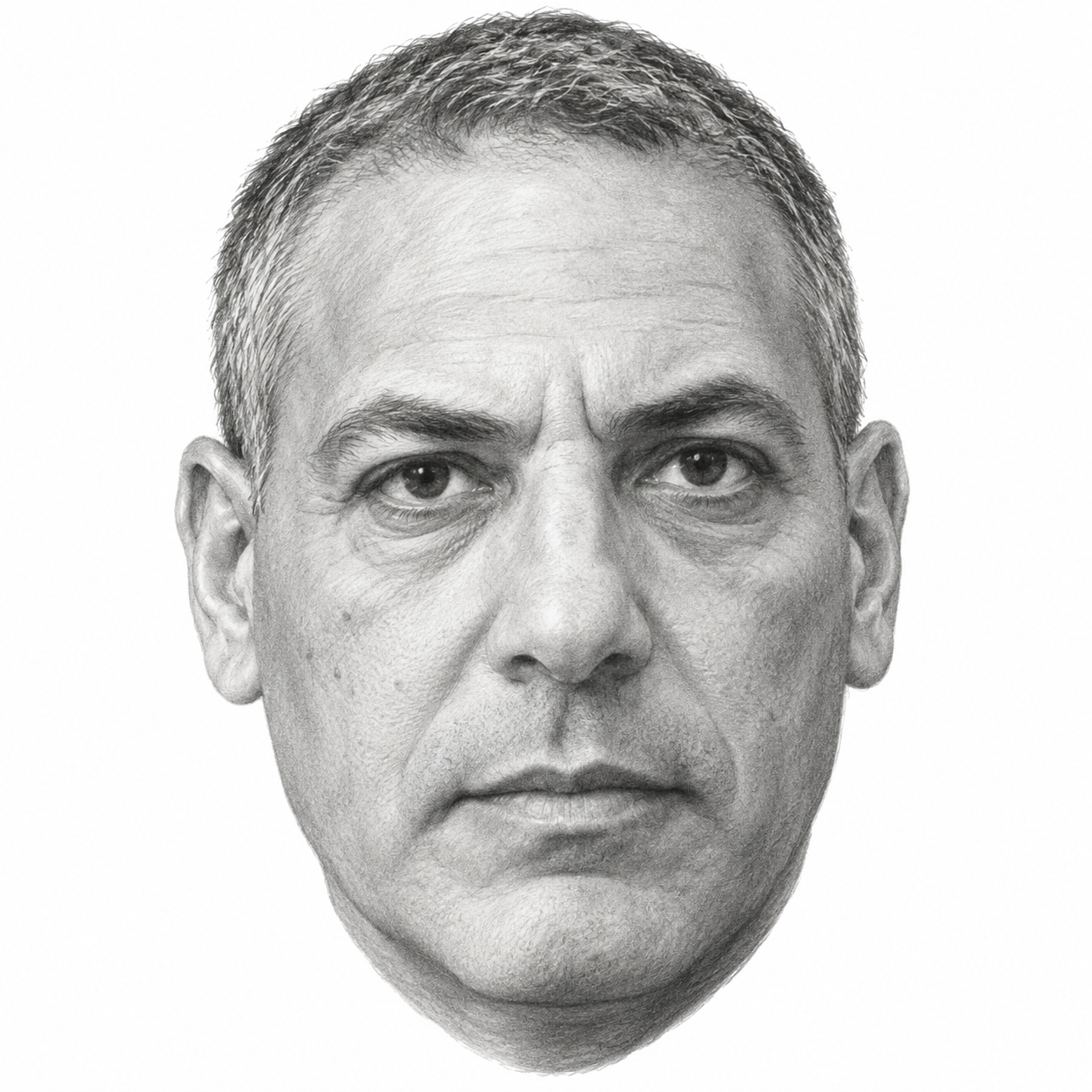
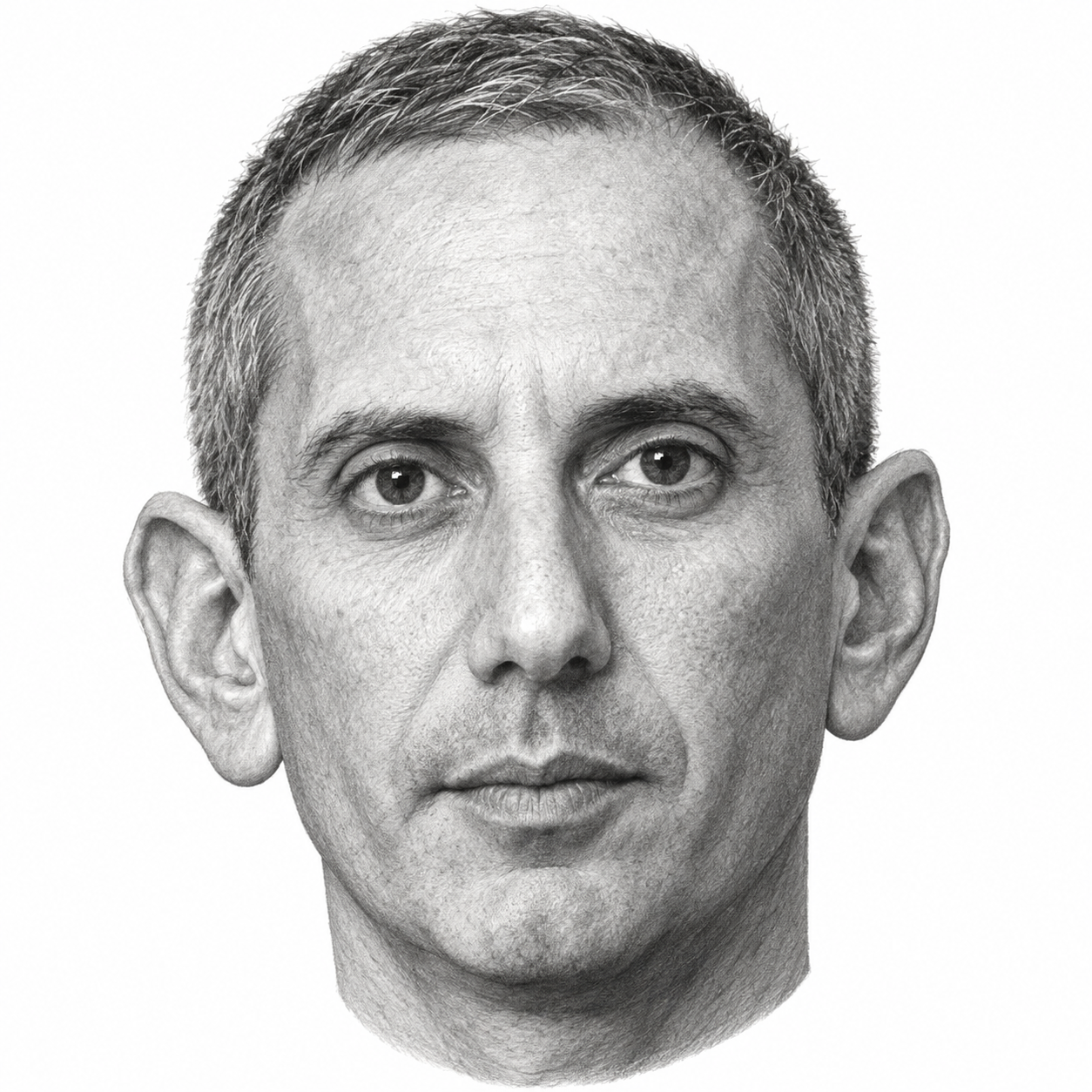
Support for a national home before 1948, personal Zionist identification, and diplomatic recognition of the State of Israel are distinct historical positions. The five newly added presidential portraits are AI-generated illustrations.
David Ben-Gurion: Israel’s first PM and a central leader in its establishment. He began studying law in Istanbul in 1912; his studies were interrupted by World War I. Source: Knesset biography; Ben-Gurion House chronology.
Menachem Begin: Israel’s sixth PM, a leader in Revisionist Zionism, and joint recipient of the 1978 Nobel Peace Prize with Anwar Sadat. He earned a law degree at Warsaw University in 1935. Source: Nobel biography; Knesset biography.
Alan Dershowitz: American lawyer and Harvard Law School professor emeritus, author of The Case for Israel and The Case for Peace, and a prominent public advocate for Israel. Source: Harvard Law School; biographical dates.
These three portraits are AI-generated illustrations, not photographs.
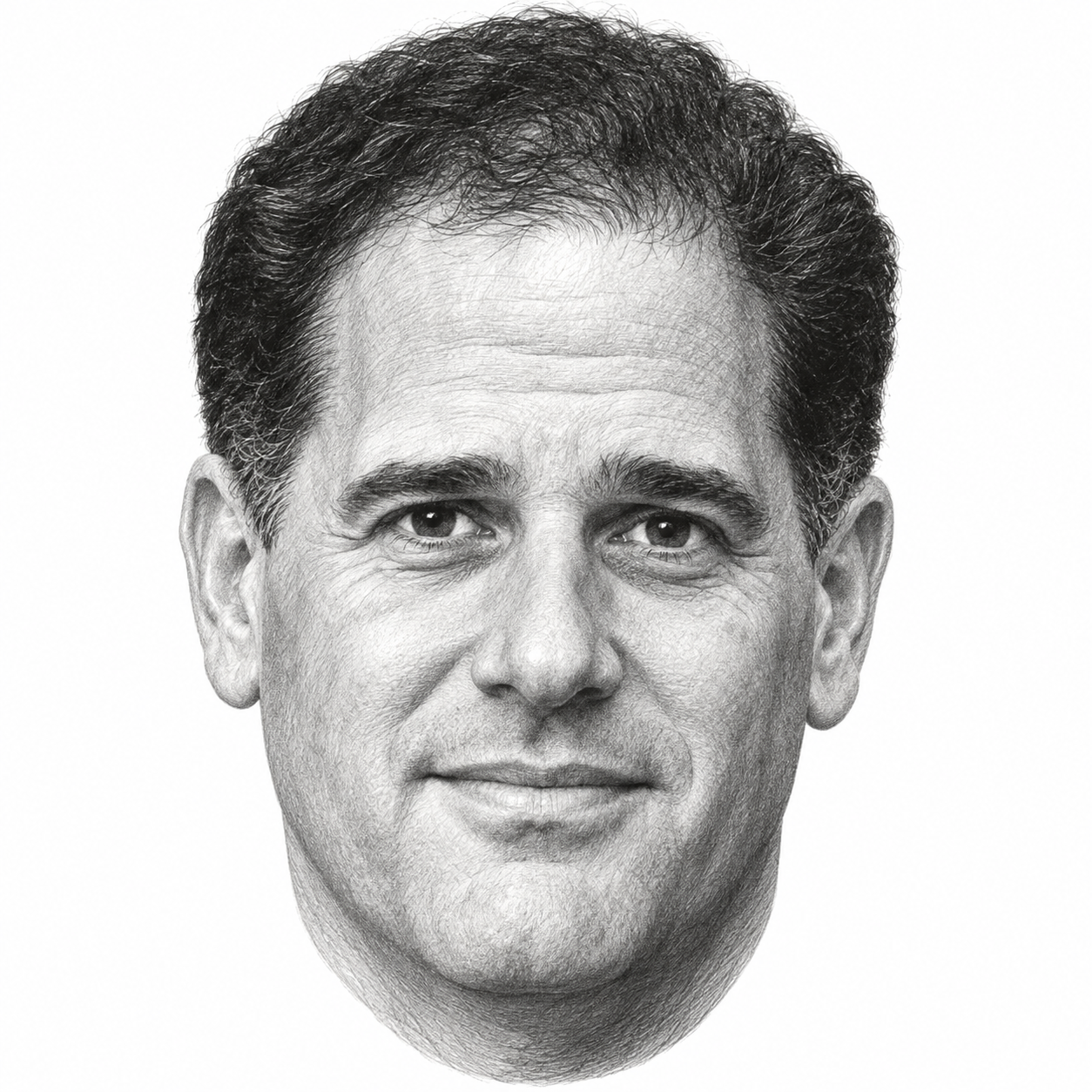
Michael Oren: Historian and former Israeli ambassador to the United States. His books include Six Days of War, Power, Faith, and Fantasy, and Ally. Source: publisher biography; biographical dates.
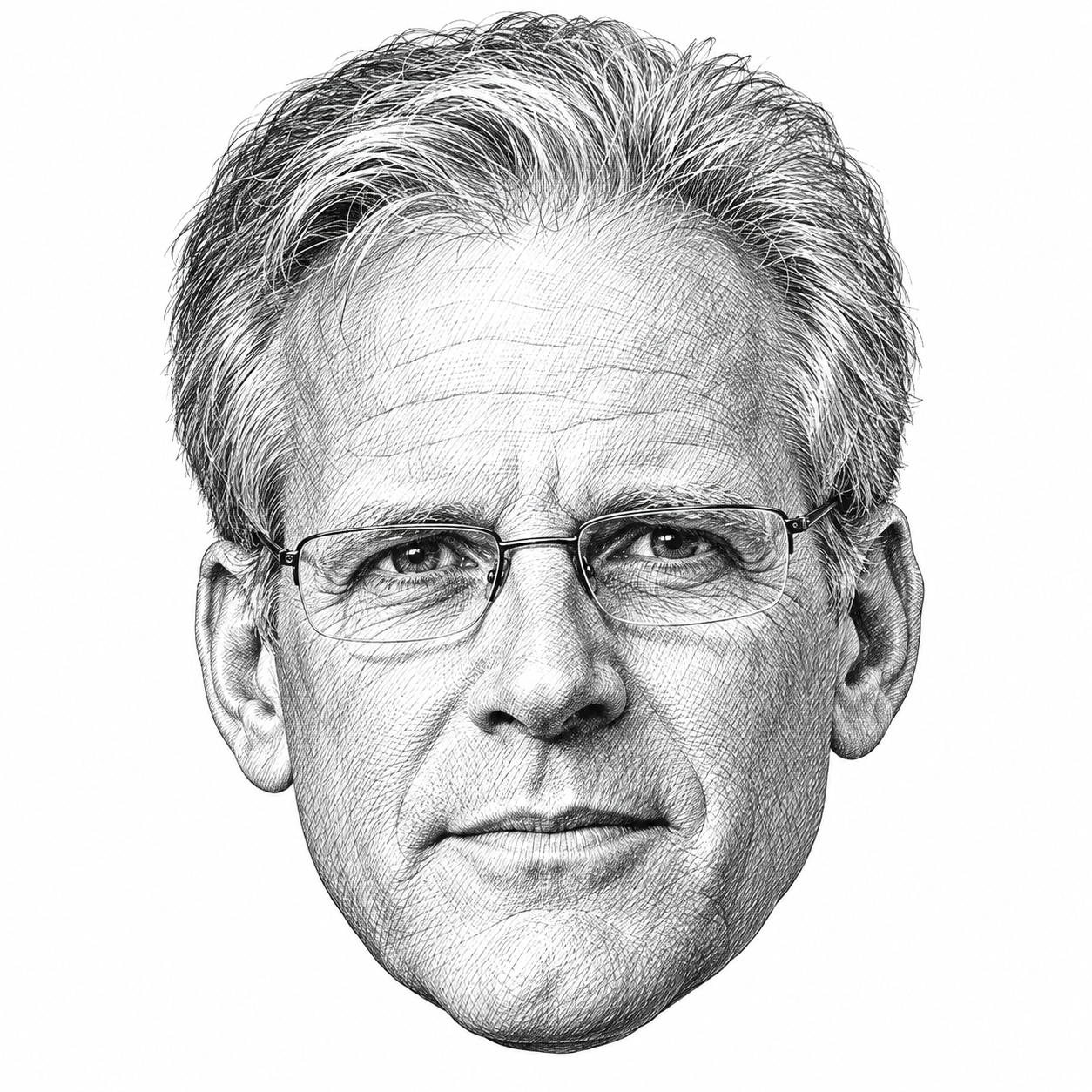
Daniel Gordis: Author, Shalem College co-founder and Koret Distinguished Fellow, and writer of Israel from the Inside, focusing on Israel and Zionism. Source: author biography; Jewish Book Council; biographical dates.
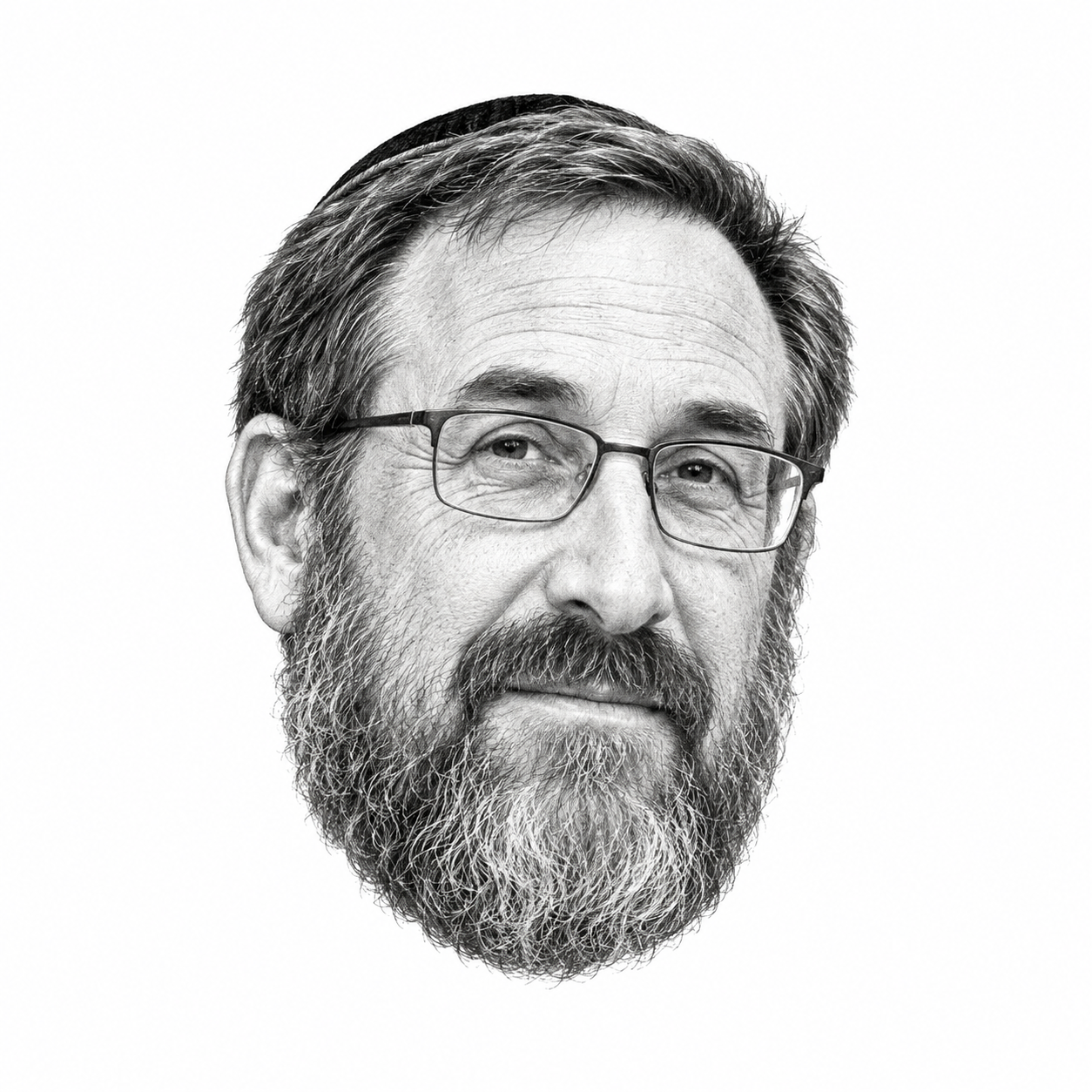
Jeffrey Herf: Distinguished University Professor Emeritus at the University of Maryland; his work examines modern Germany, antisemitism and the establishment of Israel, including Israel’s Moment. Source: University of Maryland; biographical dates.
Deborah Lipstadt: Holocaust historian and University Distinguished Professor at Emory; formerly U.S. Special Envoy to Monitor and Combat Antisemitism. In 2026 she founded an Emory institute addressing antisemitism. Source: Emory University; birth year in her witness statement.
Shai Davidai: Social psychologist and public advocate against antisemitism; formerly an assistant professor at Columbia Business School, which he left in July 2025. His birth year has not been reliably verified and is omitted. Source: official biography; departure reporting.
These five portraits are AI-generated illustrations, not photographs. Herf’s illustration uses his university portrait as a reference.
Dan Goldman: U.S. Representative from New York. In a joint October 2023 statement, he supported Israel’s defense and the hostages’ release while calling for humanitarian pauses, aid to Gaza and protection of Palestinian civilians. Source: congressional statement; House biography and birth year.
Ed Ames: Actor best known for Mingo on Daniel Boone. He also supported Israel and served as president of the Zionist Organization of America’s California chapter. Source: ZOA’s republication of a JNS remembrance, including life dates.
Both portraits are AI-generated illustrations, not photographs.
Elliott Abrams: American diplomat and foreign-policy writer. His book If You Will It argues for renewed American Jewish engagement with Israel and Jewish identity. Source: Council on Foreign Relations; biographical dates.
Sheldon Adelson: Las Vegas Sands founder and a major benefactor of Birthright Israel and other Jewish and Israeli institutions. Source: Birthright Israel Foundation remembrance; life dates.
Avi Arad: Film producer associated with Marvel’s screen adaptations. In 2024 he publicly criticized Senator Chuck Schumer’s call for new Israeli elections and defended Israel’s democratic process. Source: published letter reporting; biographical dates.
Cliff Asness: AQR co-founder and hedge fund manager. He publicly criticized Penn’s response to antisemitism and the October 2023 attacks, and suspended further donations pending changes. These concerns are his stated position, rather than a finding about every participant in the campus events. Source: professional biography; donor-letter reporting; birth year.
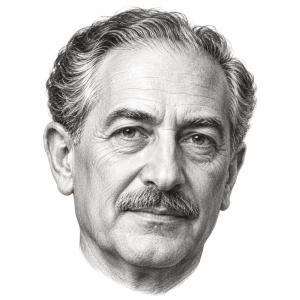
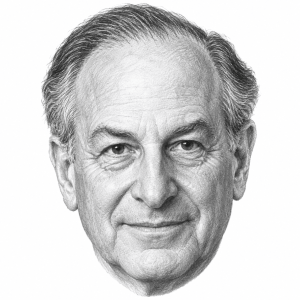
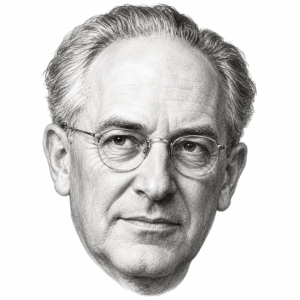
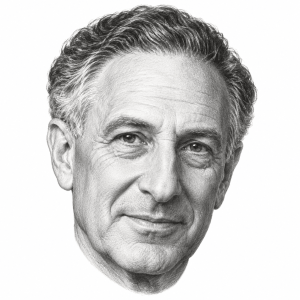
These four portraits are AI-generated illustrations, not photographs.
Ted Deutch: CEO of the American Jewish Committee and former member of Congress. AJC describes his leadership as focused on Jewish security and Israel’s place in the world. Source: AJC biography; birth year.
William Daroff: CEO of the Conference of Presidents of Major American Jewish Organizations, representing the organization in engagement with U.S. and Israeli officials and Jewish communal affairs. Source: official biography; birth year.
W. E. B. Du Bois: Civil rights leader and scholar who expressed early support for Zionism and Jewish statehood, including in his 1948 essay “The Case for the Jews.” His later anti-colonial outlook led him to support Nasser during the Suez crisis. His inclusion documents an earlier historical position, rather than an unchanging lifetime alignment with Israel. Source: scholarly historical context; study of his changing position; UMass biography and life dates.
These three portraits are AI-generated illustrations, not photographs.
Lindsey Graham: Former Republican senator from South Carolina and a prominent advocate of U.S.–Israel security cooperation. Source; biographical background; Congressional biography and life dates.
Ben Cardin: Former Democratic senator from Maryland and Senate Foreign Relations Committee chair. He advocated Israel’s security alongside humanitarian assistance to Gaza and a two-state outcome. Source; biographical background.
Eric Cantor: Former Republican House Majority Leader from Virginia and a public advocate for strong U.S.–Israel relations. Source; biographical background.
Emanuel Celler: Long-serving New York congressman and advocate for Jewish refugees, Zionism, and the establishment of Israel. Source; biographical background.
Yehudah Glick: American-born Israeli rabbi and former Likud member of the Knesset. His activism focuses on Jewish access and prayer on the Temple Mount. Source; biographical background.
Rachele Fruit: The Socialist Workers Party’s 2024 U.S. presidential nominee. Her campaign opposed antisemitism and defended Israel’s right to exist as a refuge for Jews. Source; biographical background.
Randy Fine: Republican congressman from Florida and a vocal advocate for Israel. His rhetoric about Muslims and Palestinians has drawn substantial criticism. Source; biographical background.
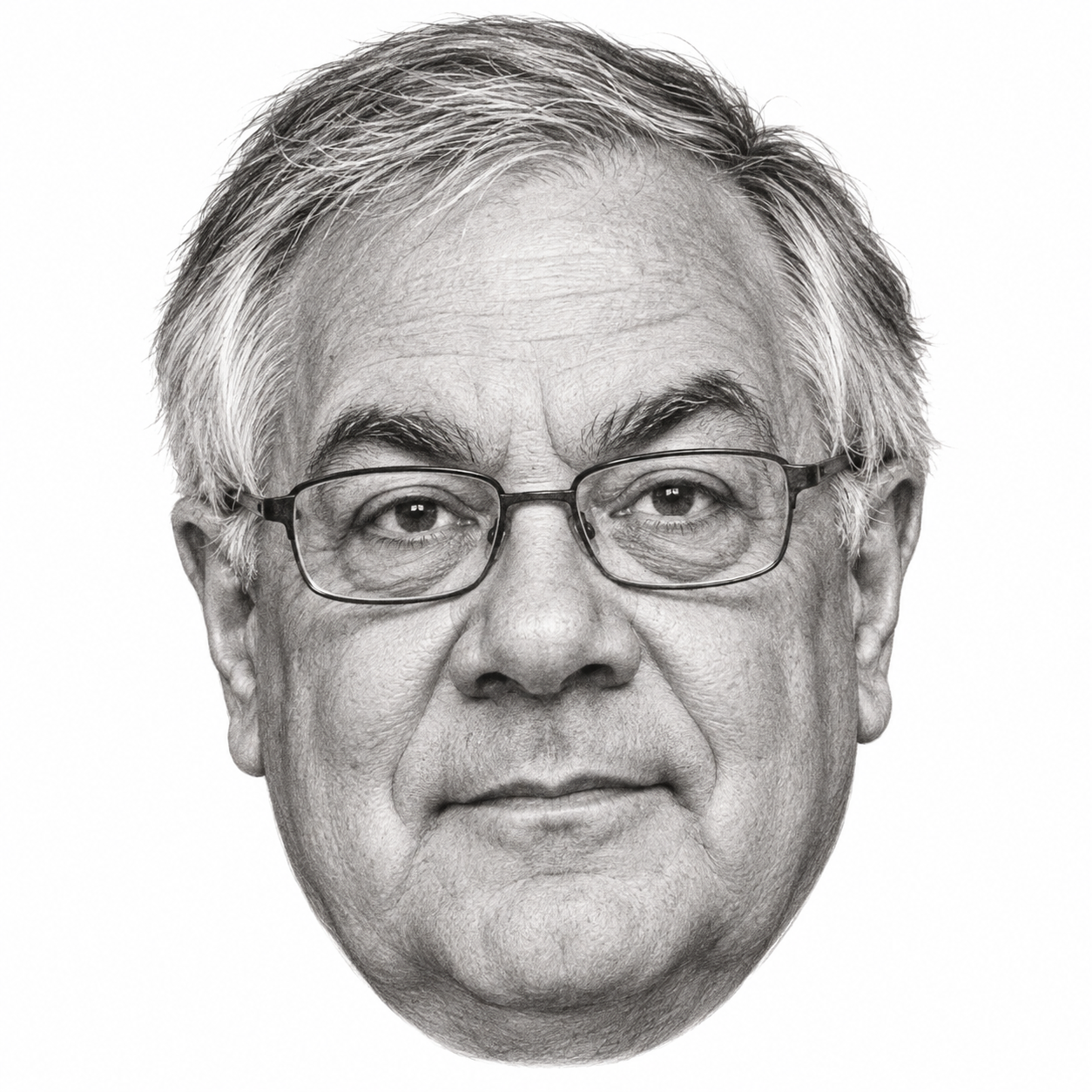
Barney Frank: Former Democratic congressman from Massachusetts. He supported Israel while sharply criticizing Benjamin Netanyahu’s policies and advocating relief for Palestinian civilians. Source; biographical background.
Marcia Freedman: American-Israeli feminist and former Knesset member. She was founding president of Brit Tzedek v’Shalom, a Zionist organization advocating a two-state solution. Source; biographical background.
John Fetterman: Democratic senator from Pennsylvania and an outspoken supporter of Israel, U.S.–Israel security cooperation, and the release of hostages. Source; biographical background.
Bella Abzug: American congresswoman, feminist, and civil rights advocate. A supporter of Zionism from her youth, she opposed the United Nations resolution equating Zionism with racism. Source; biographical background.
Ellie Cohanim: Iranian-American former U.S. deputy special envoy to monitor and combat antisemitism. Her public work focuses on antisemitism and support for Israel. Source; biographical background.
Eliot Engel: American congressman from New York and former chair of the House Foreign Affairs Committee. He was a prominent congressional supporter of Israel and U.S.–Israel relations. Source; biographical background.
Norm Coleman: Former Republican senator from Minnesota and a public advocate for Israel and strong U.S.–Israel relations. Source; biographical background.
Douglas Feith: Former U.S. under secretary of defense for policy whose public work includes commentary on U.S.–Israel relations and Middle East security. Source; biographical background.
Howard Berman: Former Democratic U.S. representative from California and former chair of the House Foreign Affairs Committee. He has publicly identified as a Zionist and supported Israel. AI-generated illustration. Source and biographical background.
Additional source notes and editorial context remain in the main directory.

